
Note : This publication extends my exhibition Ceramic Rock Glazes : Developing a Geological Language of Alternative Ceramic Materials. It brings together all of my previous publications (on Instagram) into a single document in order to improve accessibility while also offering a more detailed and comprehensive exploration of the subject.
Chlorite Quartzite
The general structure of every publication within this series is as follow : a return to some of the fundamentals of mineralogy in order to propose a more comprehensive understanding of the underlying chemical reactions during the firing. The entire process is also documented through a variety of pictures of both the raw material as well as some of the finish product of glaze testing. I hope you will find my writings useful, beneficial, and maybe inspiring for your future projects.
From Rock to Dust
As with the majority of the rocks in this project, I found this one on the side of the road during on my walk in the summer of 2023. It was most definitely the green that caught my attention at first. Splitting it revealed beautiful green crystal of quartz. At the end of the crushing process, I was left with a pale green powder. If you’re interested about some of the tools that I have used in this project to process the rocks, I wrote a short blog on the subject : Tools for processing rocks into fine powder for ceramic glazes : an introduction.

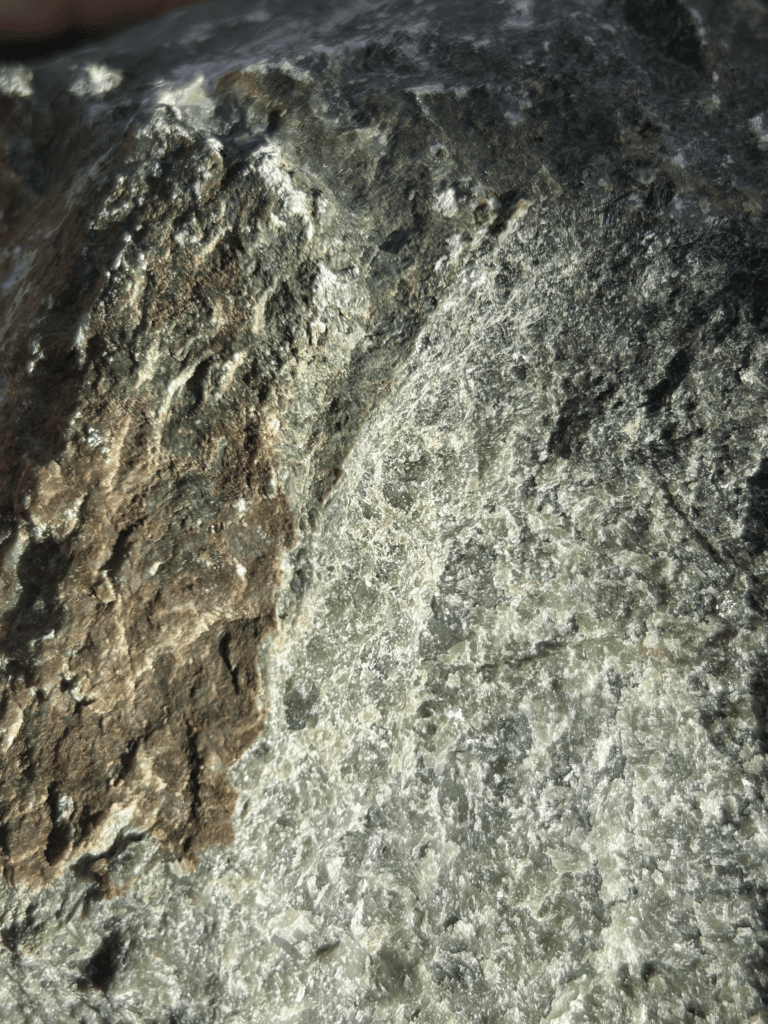
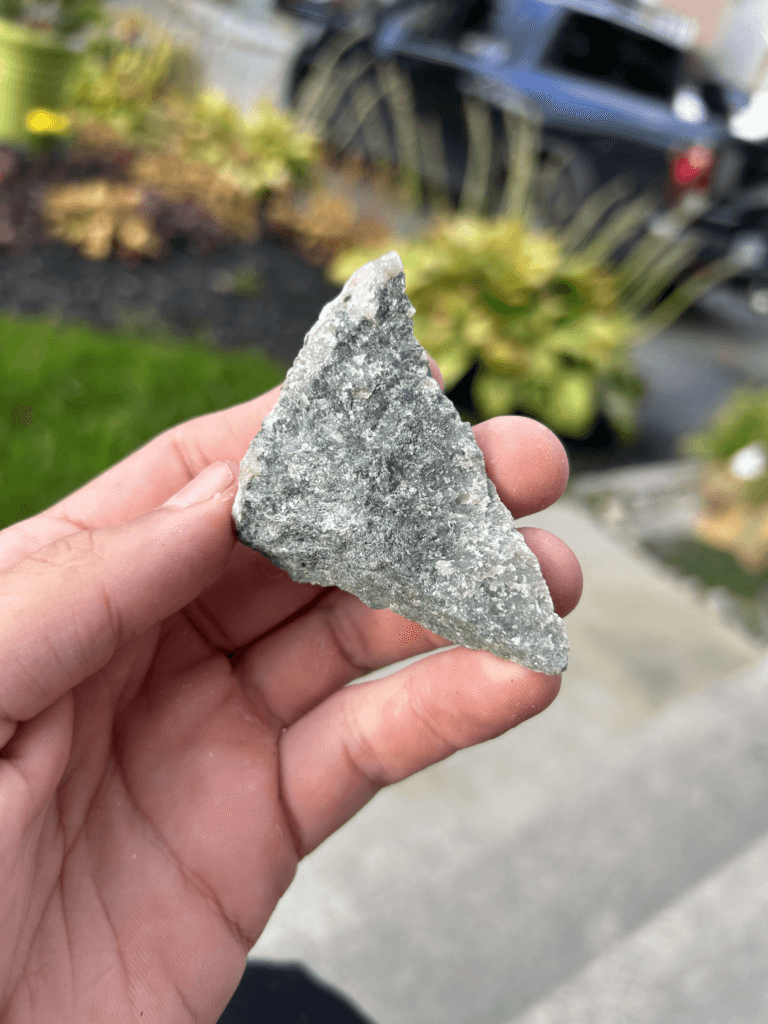


Mineral Composition and Considerations for Glaze Development
Note : Unfortunately, I was unable to conduct XRF analysis for this project, both because of the cost involved given the large number of specimens and the limited access to suitable laboratories in the surrounding region. As a result, the identification process relied on a relatively quick and rudimentary methodology, including visual observation, comparison with similar rock types, hardness scale testing, and melt tests. This work was carried out with the help of a friend whose observational skills were invaluable, and to whom I am very grateful. Without XRF data, all conclusions regarding mineral composition remain provisional. Even now, I cannot state with certainty that every interpretation presented below is entirely accurate; however, these findings provide a solid starting point for understanding the material and guiding further investigation.
Looking at a chlorite-quartz, we can anticipate a great combination of oxides such as silica, alumina, iron, and magnesium :
- Quartz (Silica)
- Chlorite (Iron & Magnesium)
- Calcite (Whiting / Calcium Carbonate)
So far, given the minerals found in this rock, I was anticipating a rock that would melt ; however, as I’ll show below, this rock needed a bit more flux to melt in the kiln.
Firing Temperature and its Effects
Prior to incorporating the rock into any glaze recipes, I performed a series of melt tests to assess its behavior at cone 6. This preliminary stage served two principal functions: it established a baseline understanding of the material’s response to high temperatures—its melting characteristics and potential color development—and it confirmed that the material could be fired safely in the kiln, without excessive splattering or overmelting. I strongly advise conducting similar tests when working with raw or unfamiliar materials. In such cases, small bowls or containers with raised walls should be used in place of flat tiles to help protect kiln shelves should the material become unexpectedly fluid.
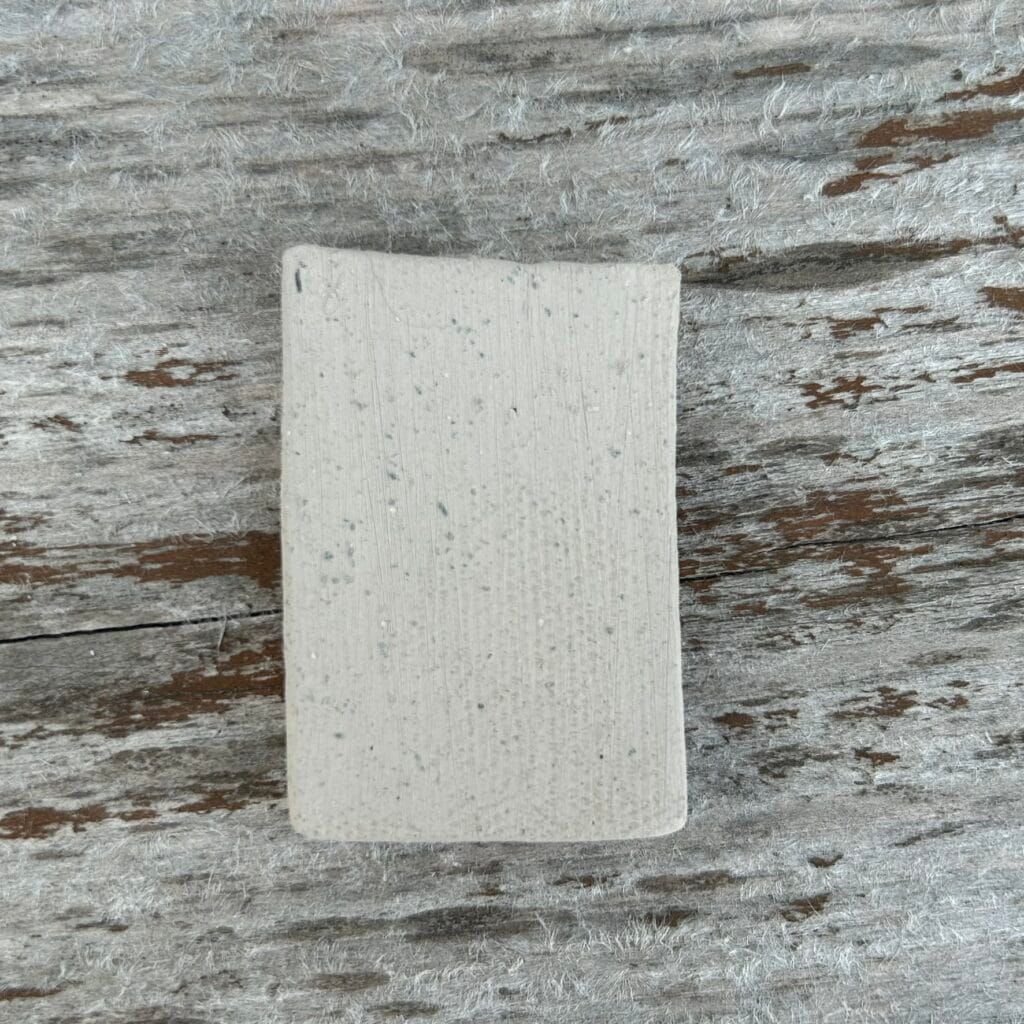
Finally, I also added pieces of the rock inside one of my clay bodies to see what it would do. I added 5% of the weight of the clay in crushed rock.
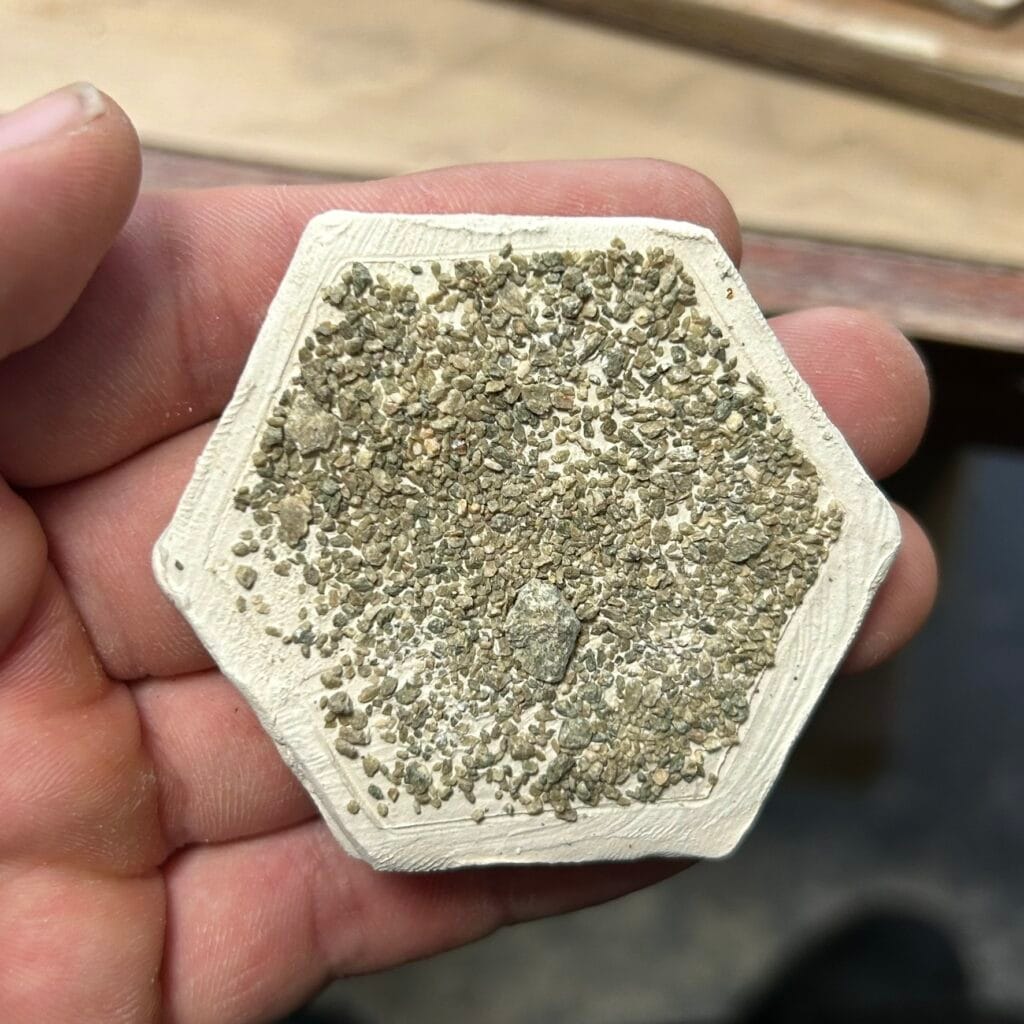
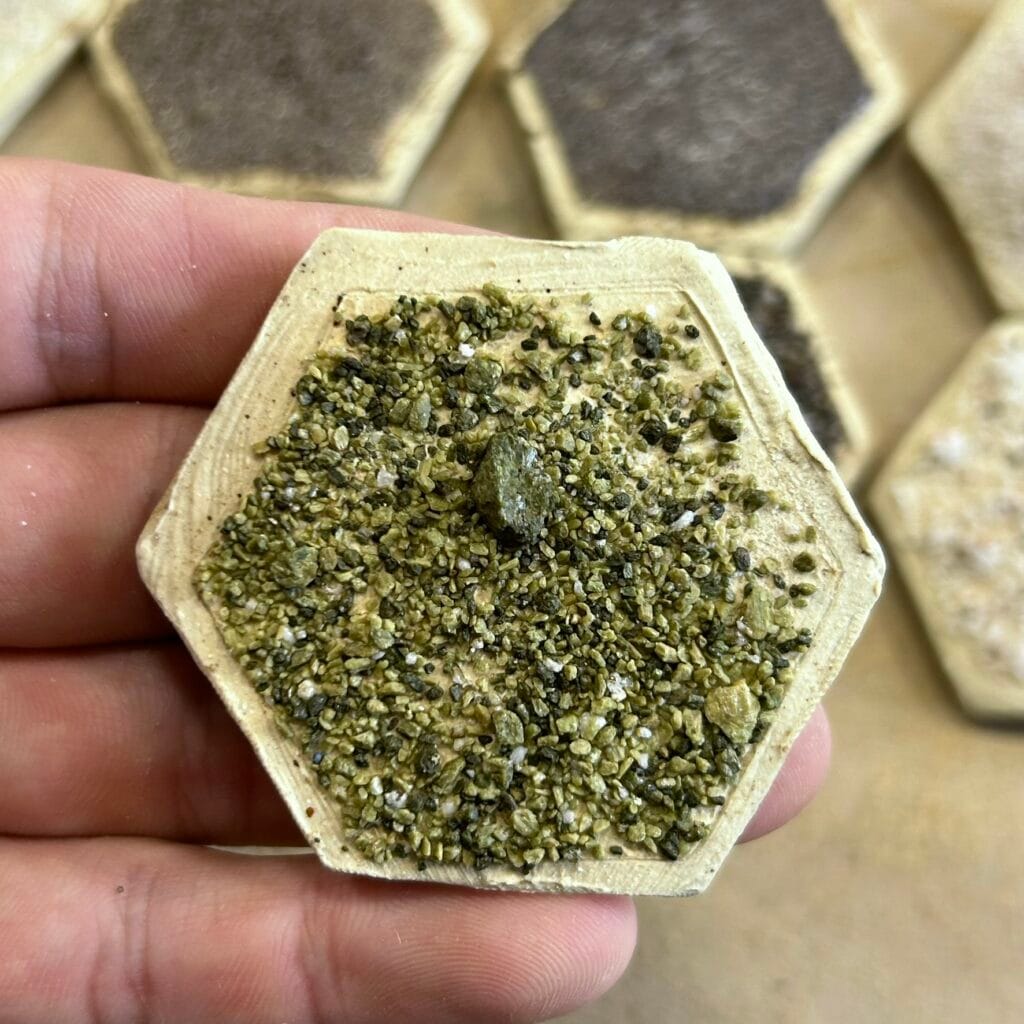
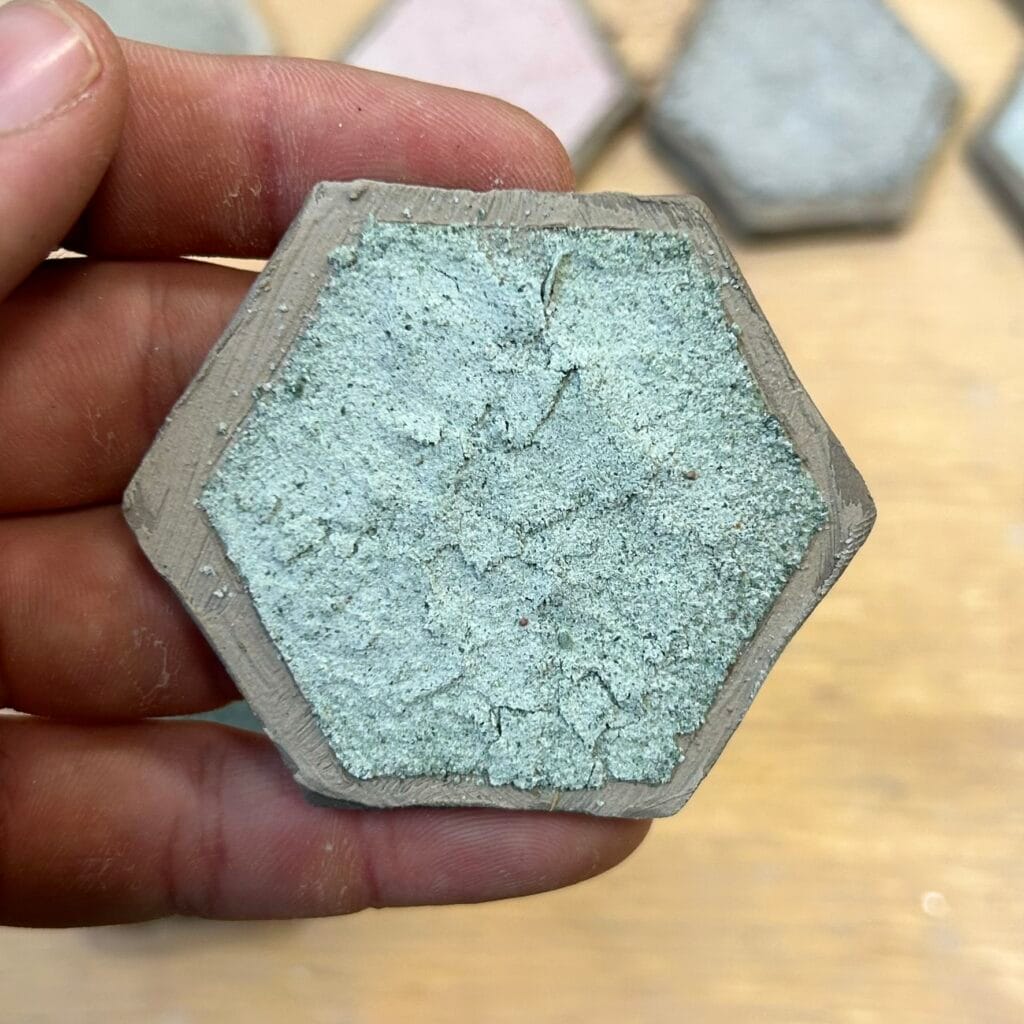
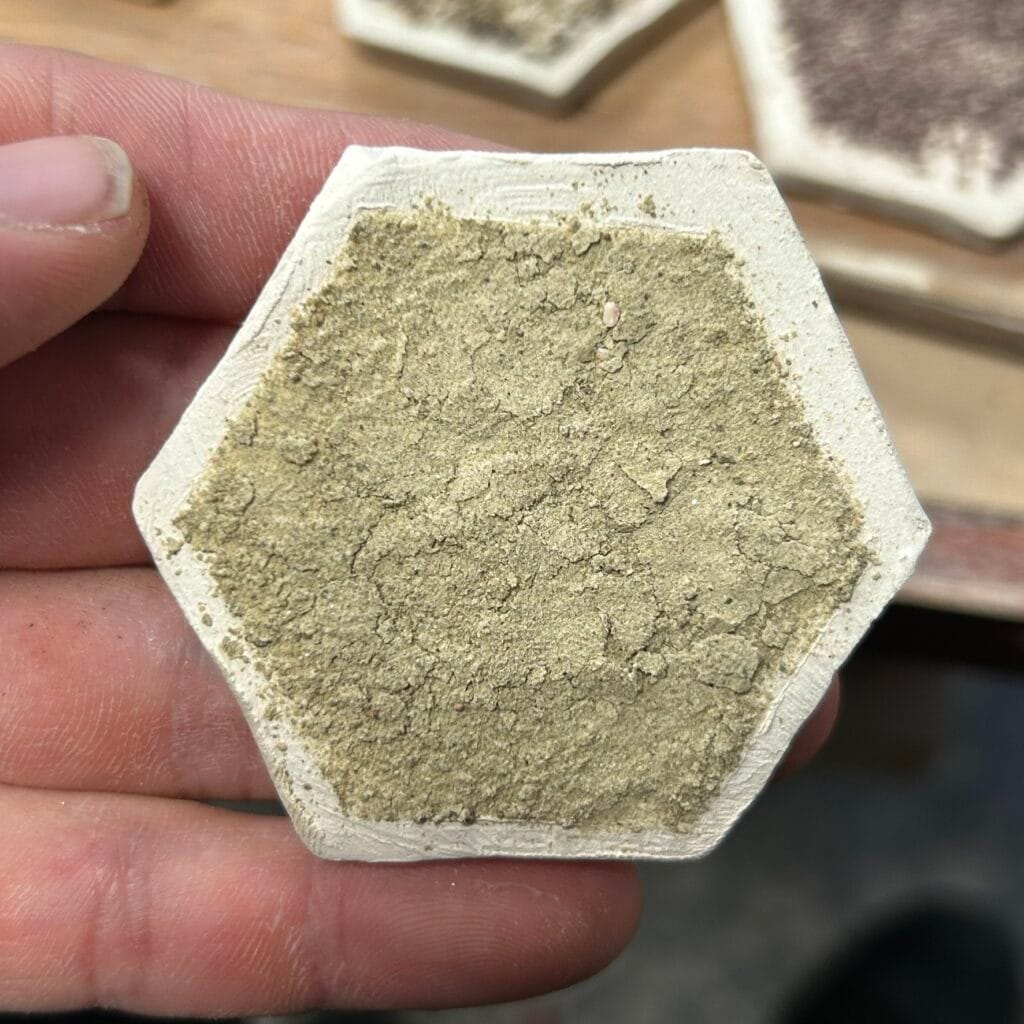
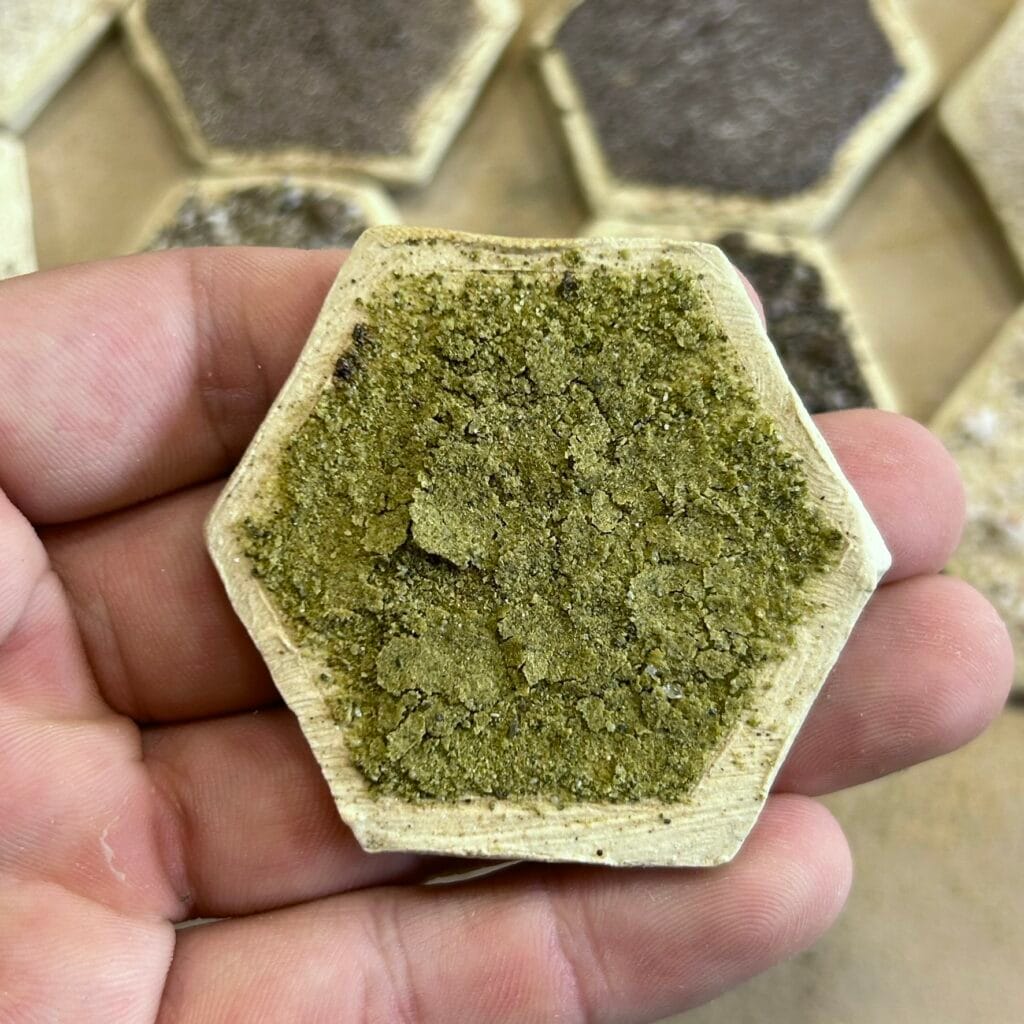
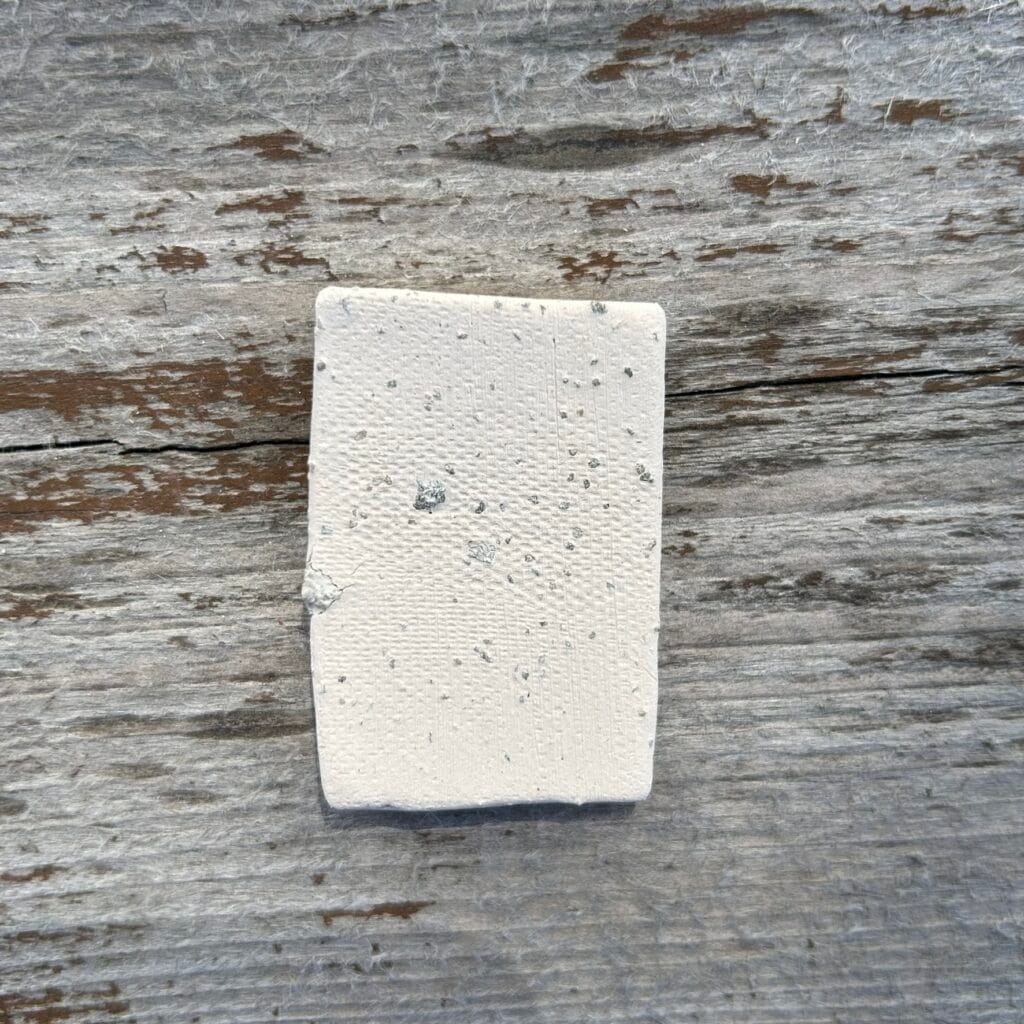
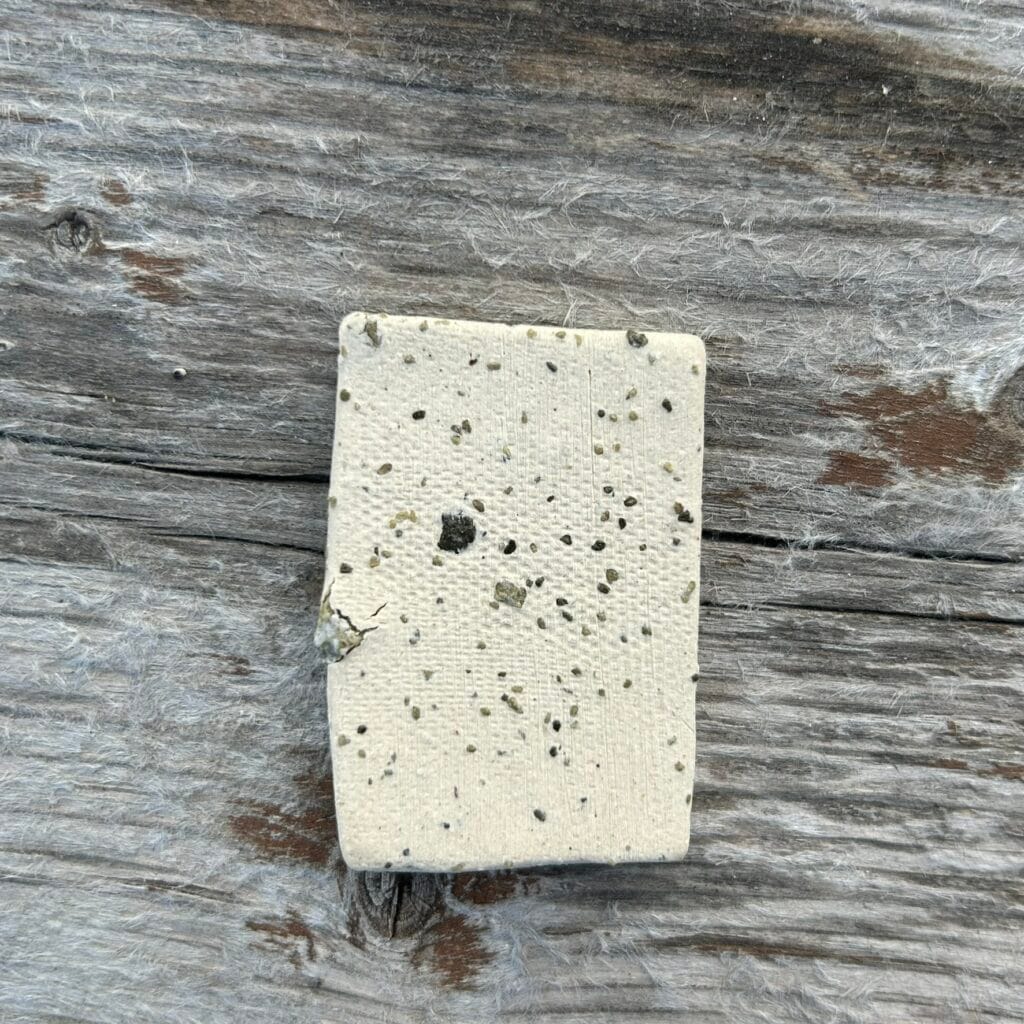
The first set of pictures presented bellow were done using the grog form of the rock (i.e., relatively large pieces). The order is from raw, to bisque firing (cone 04), to glaze firing (cone 6). I was rather surprised by the shift in colour after each firing. What started as a beautiful bright green rock, ended up a dull brown after the bisque firing only the gain a lot of colour after the last firing, turning into a striking khaki green.

The second set of photographs were done using the powdered form of the rock (40 mesh and finer). It follows the same order : from raw, to bisque firing (cone 04), to glaze firing (cone 6). The same change in colour is noted.
At last, as mentioned earlier, I also added the crushed rock into one of my clay bodies. The images bellow follows the same firing order from those above.
Glaze Recipes
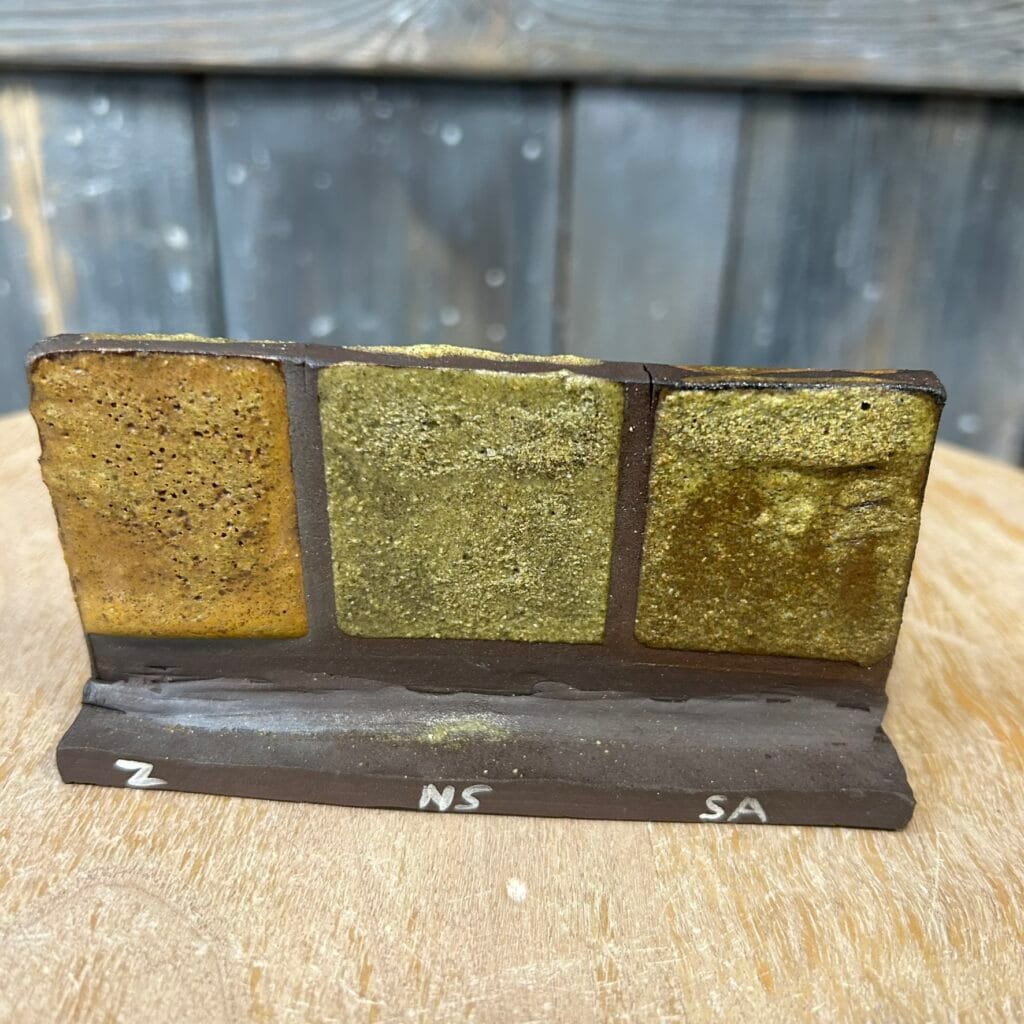
Given the large number of rock samples involved, I chose not to employ conventional line-blend or triaxial blending methods. Instead, I adopted a single base recipe for all glaze tests, consisting of 85 percent crushed rock, 10 percent flux, and 5 percent clay. For the clay component, I alternated between EP Kaolin (EPK) and Redart (R), while the fluxes tested included Gerstley Borate (GB), Dolomite (D), Whiting or Calcium Carbonate (W), Zinc Oxide (Z), Nepheline Syenite (NS), and Soda Ash (SA). Although adjusting these ratios could have produced a broader range of glaze surfaces, maintaining a fixed formula enabled a clearer examination of the specific roles and effects of both fluxes and clay.
Finally, all of the glazes have been tested of different clay bodies (PSH 519, Tucker’s Mid Cal 5, PSH 540i). In the following section, I have decided to include a few selected test tiles instead of all of them.
Chlorite Quartzite : An Overview
The glazes produced using this chlorite quartzite as the primary ingredient offered a rich landscape of colours and textures : we got some greens (which is quite rare so far), some sand/beige, and some creamy tan colours.
Glazes using Redart on PSH 540i

Glazes using Redart on PSH 519


You will find below a short series of videos (recorded in early 2024 and about one minute each) sharing my on-the-spot thoughts about all of them, including the raw melt test.
Chlorite Quartzite : A Closer Look
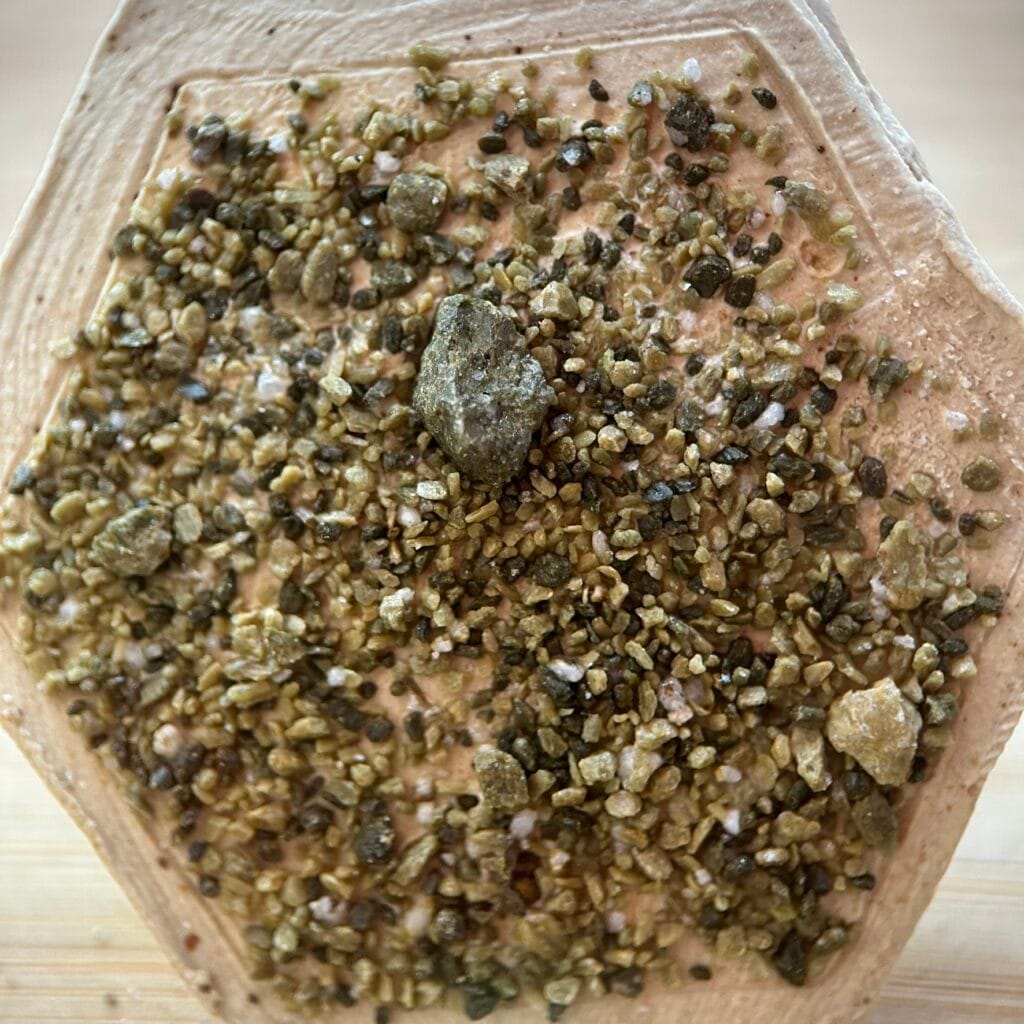
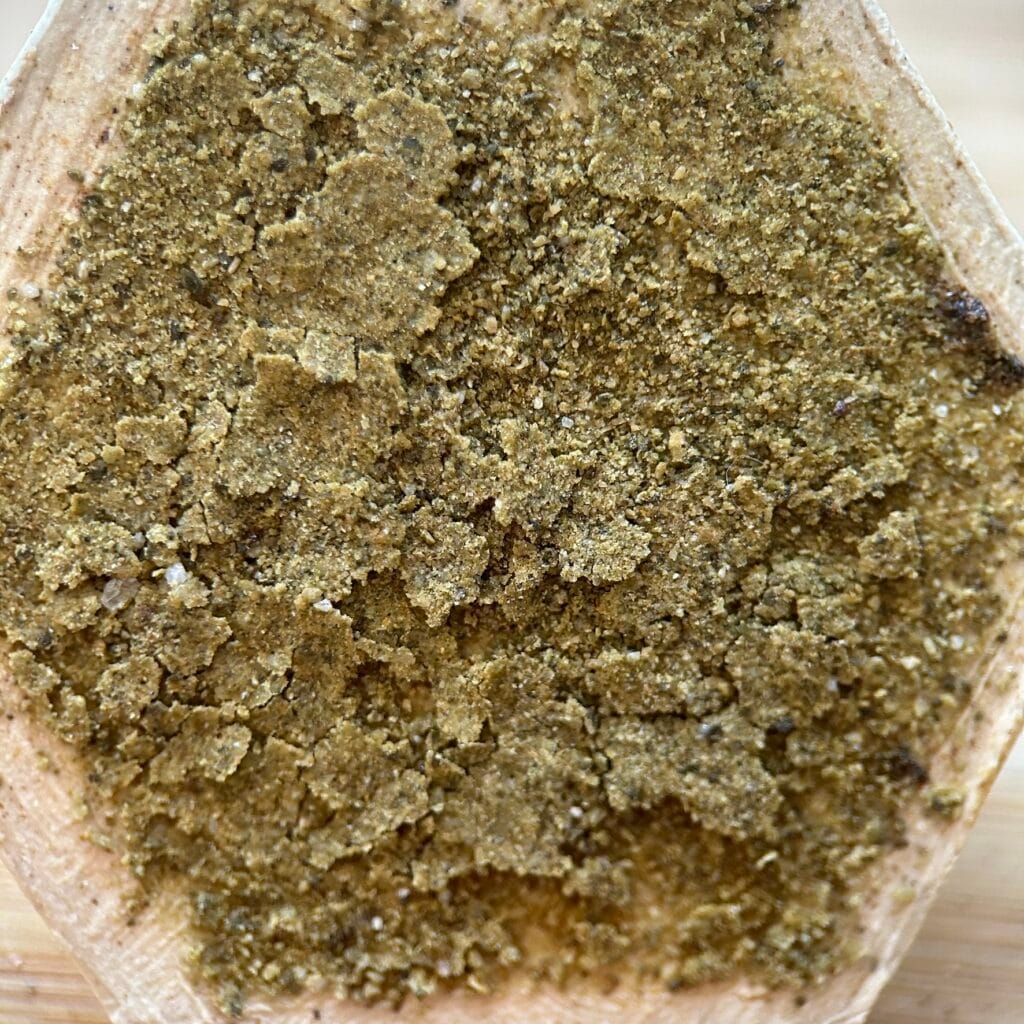
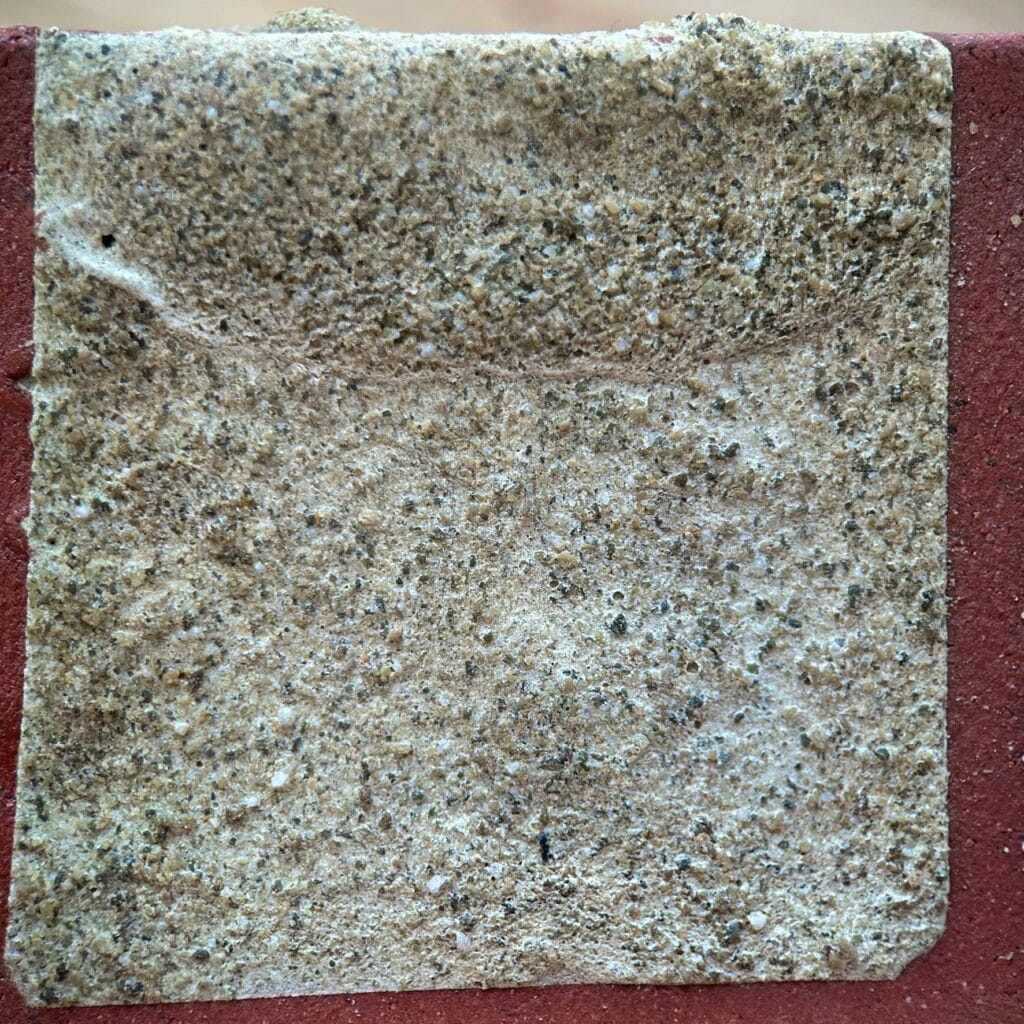
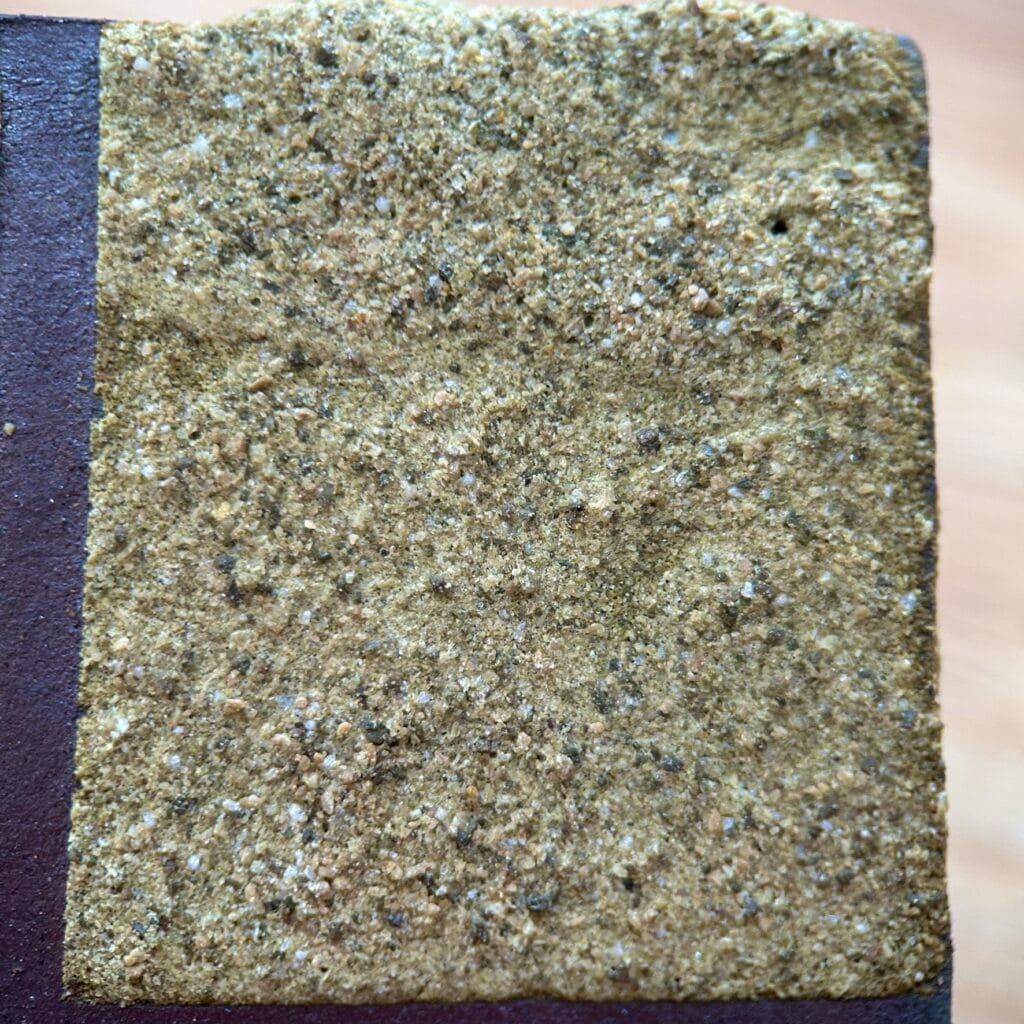
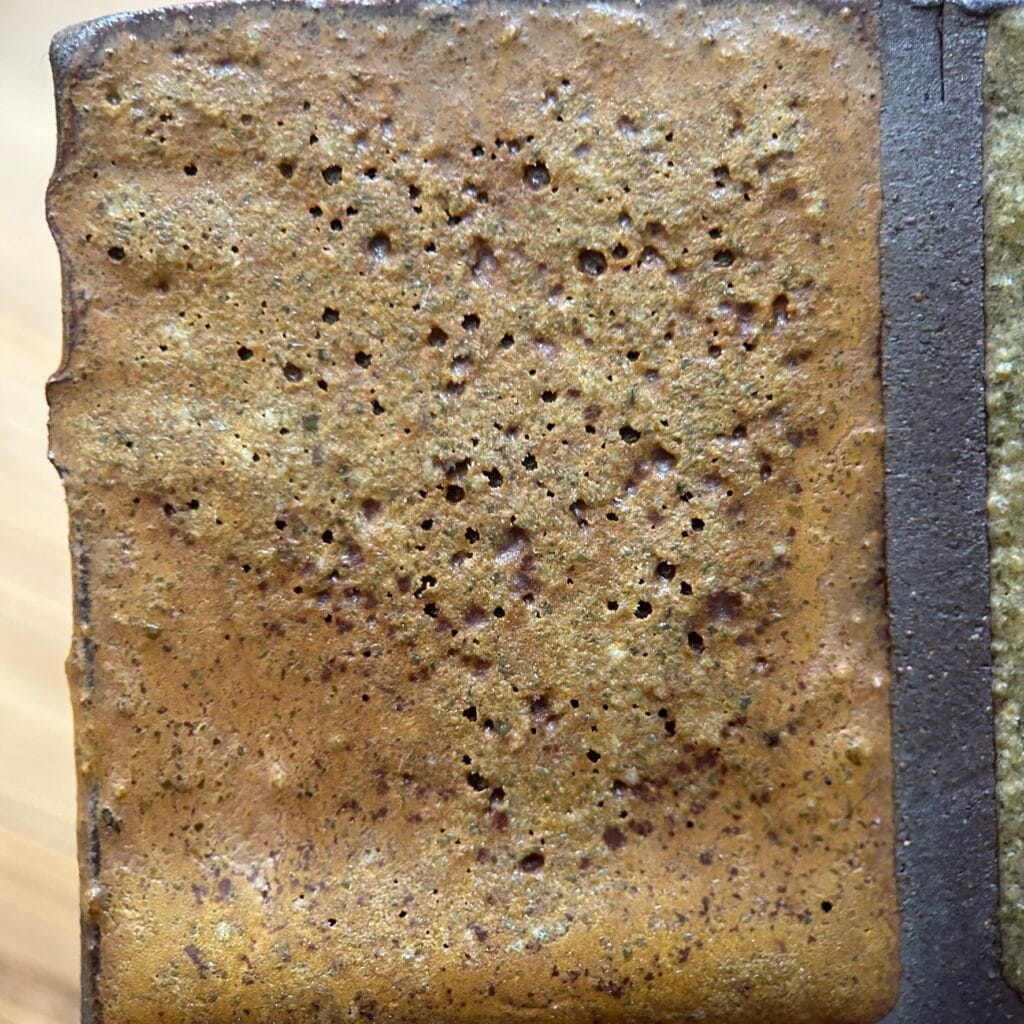
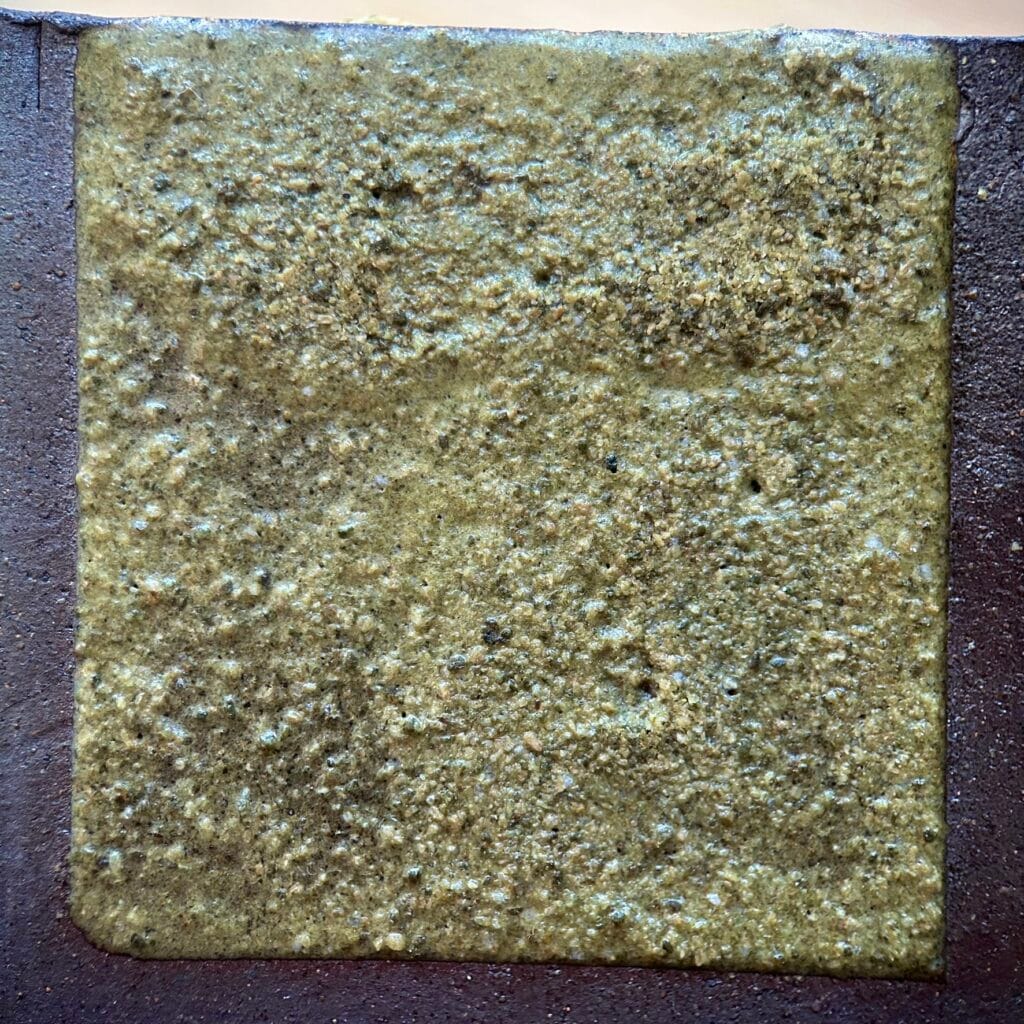
The idea of using macro photography emerged after examining the glazes with a magnifying lens. The close-up images revealed details that would otherwise be imperceptible to the naked eye, a quality I found particularly compelling.

Going Beyond Testing
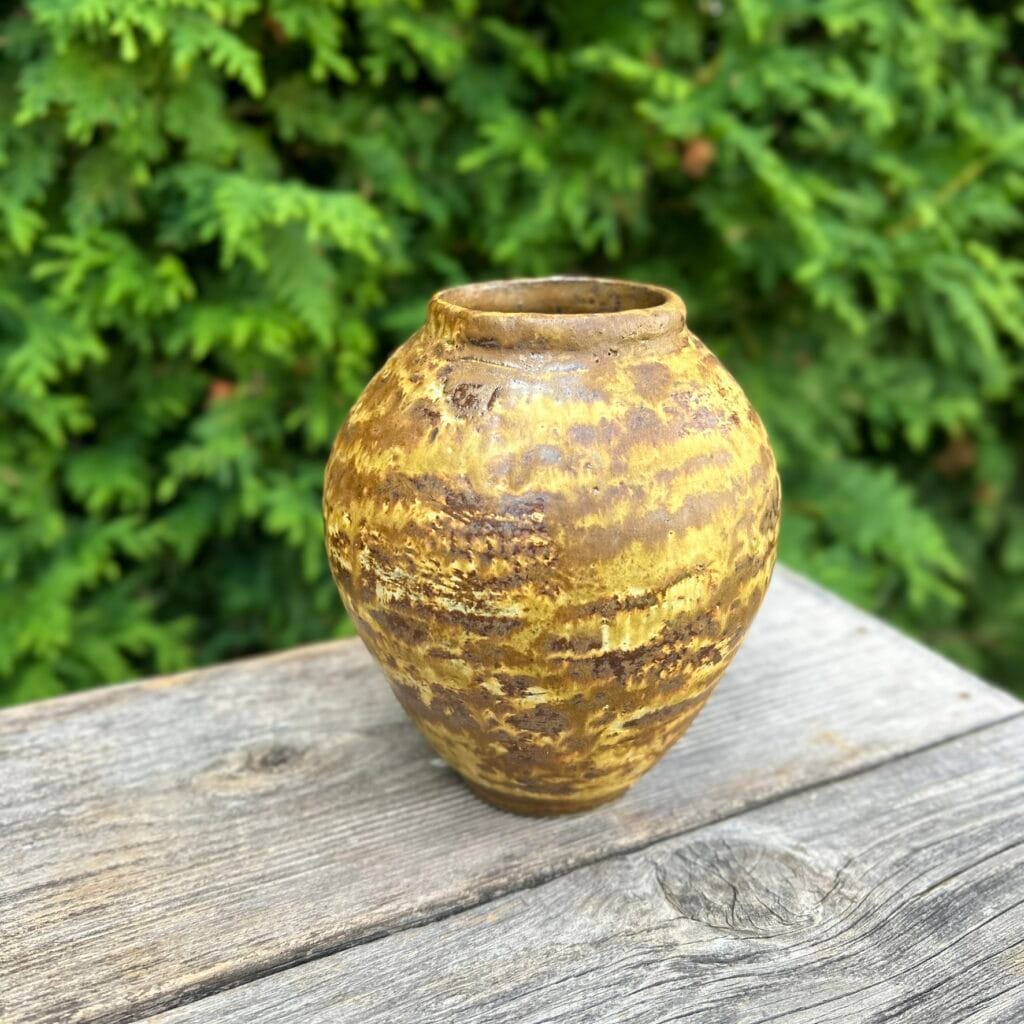
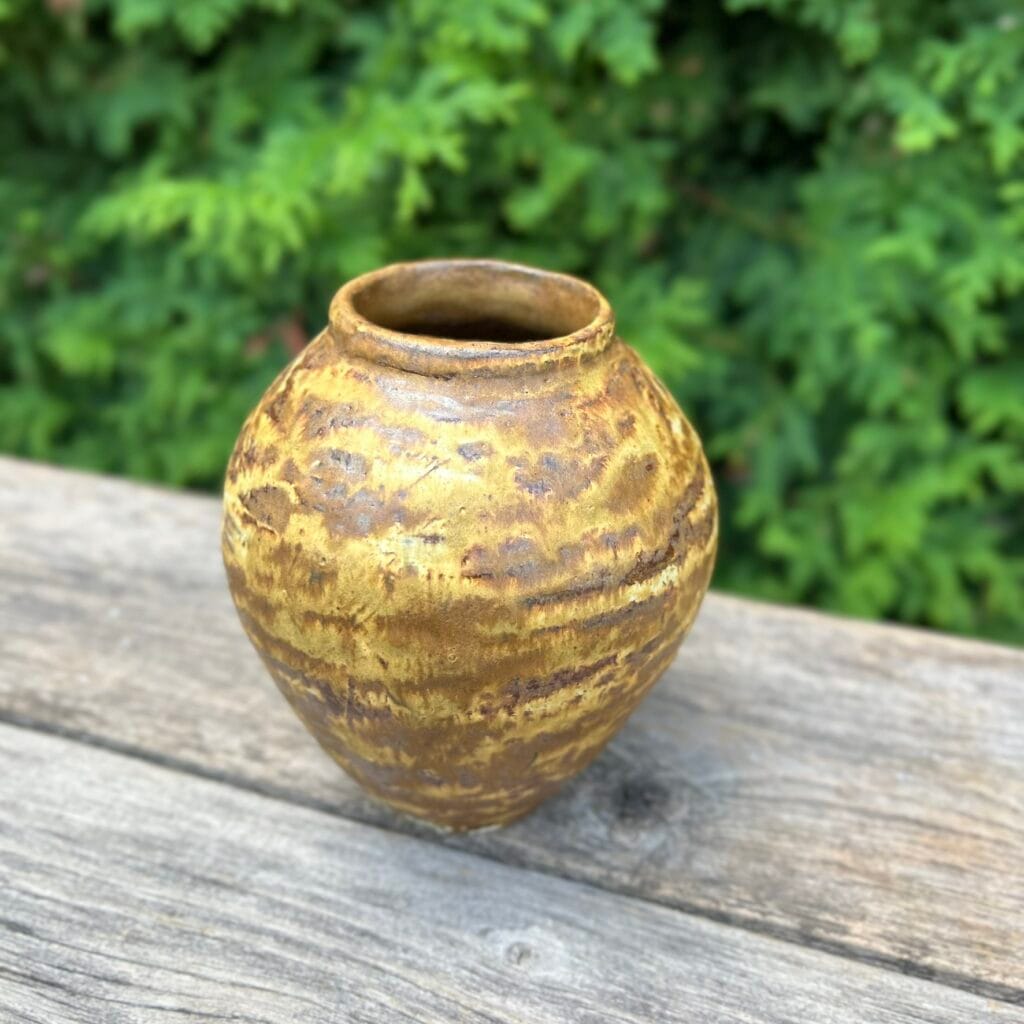
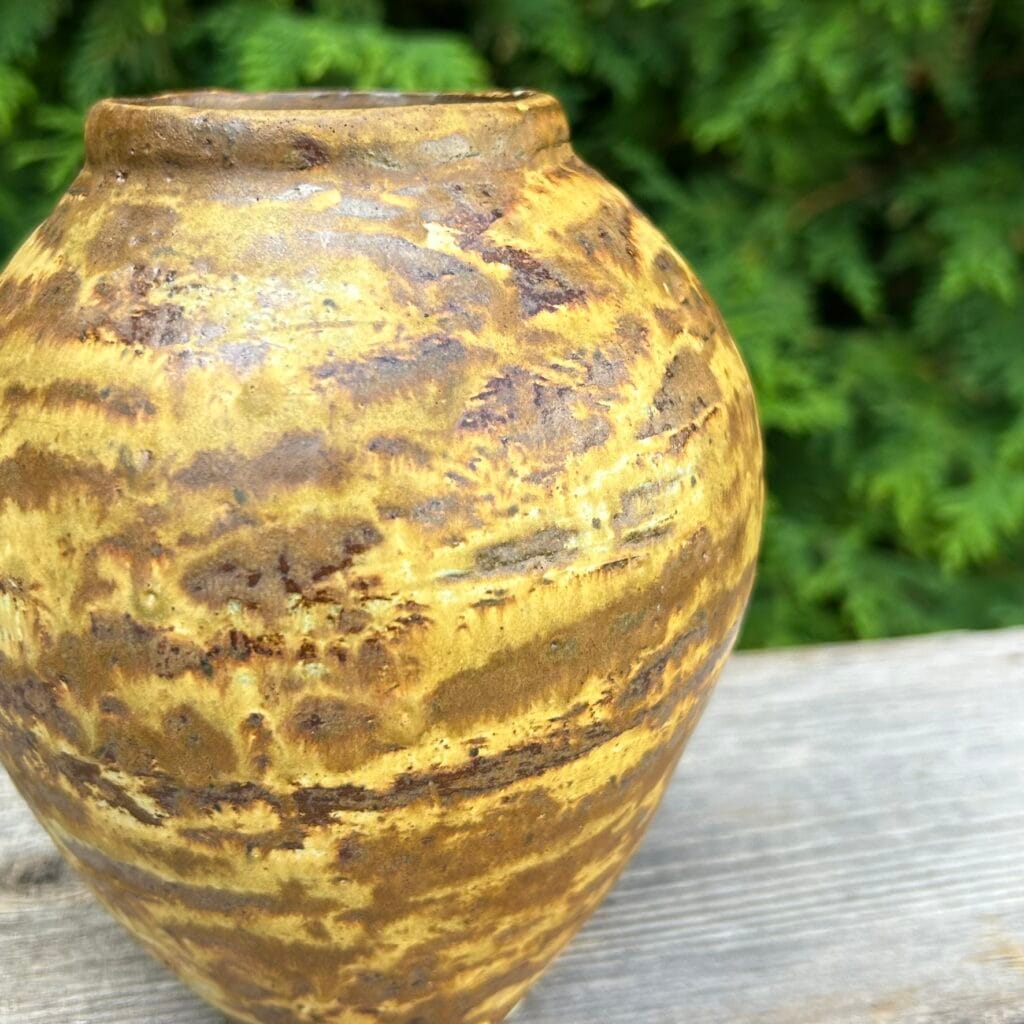
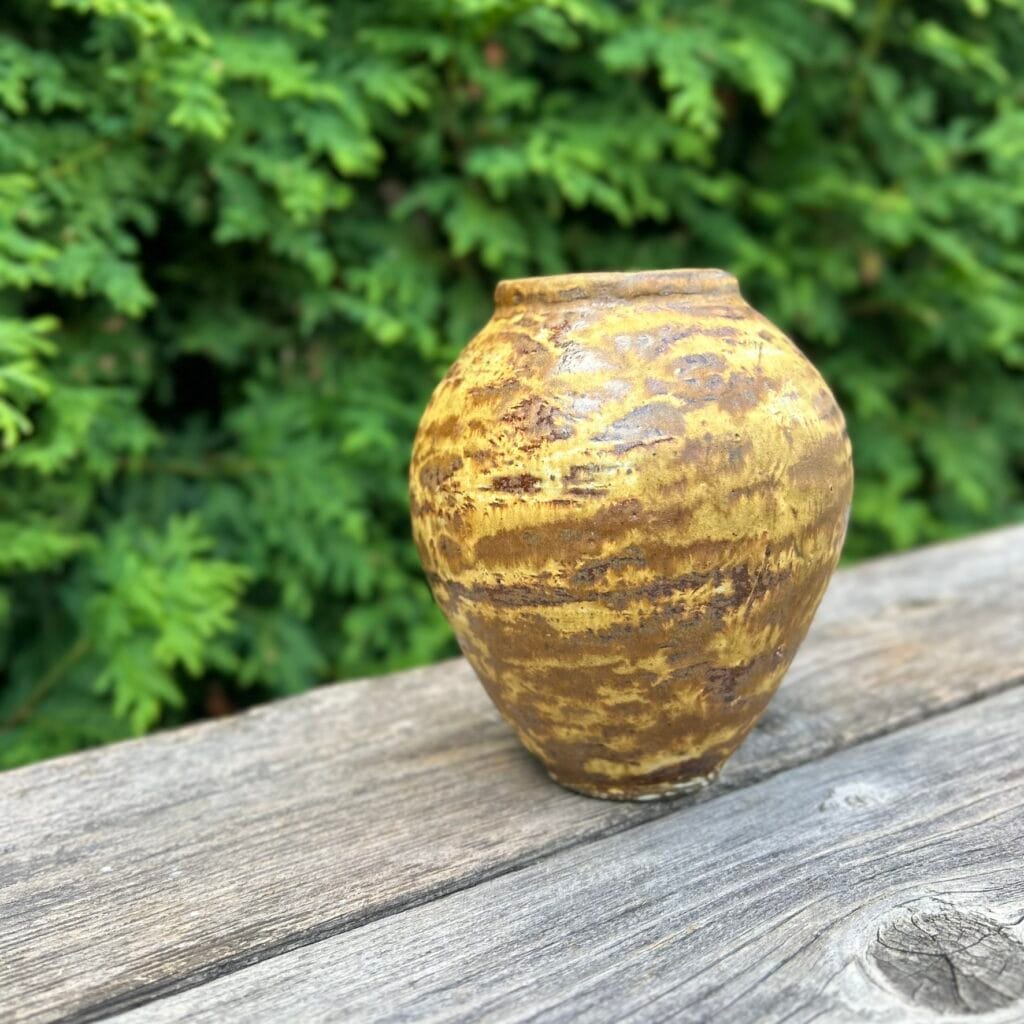
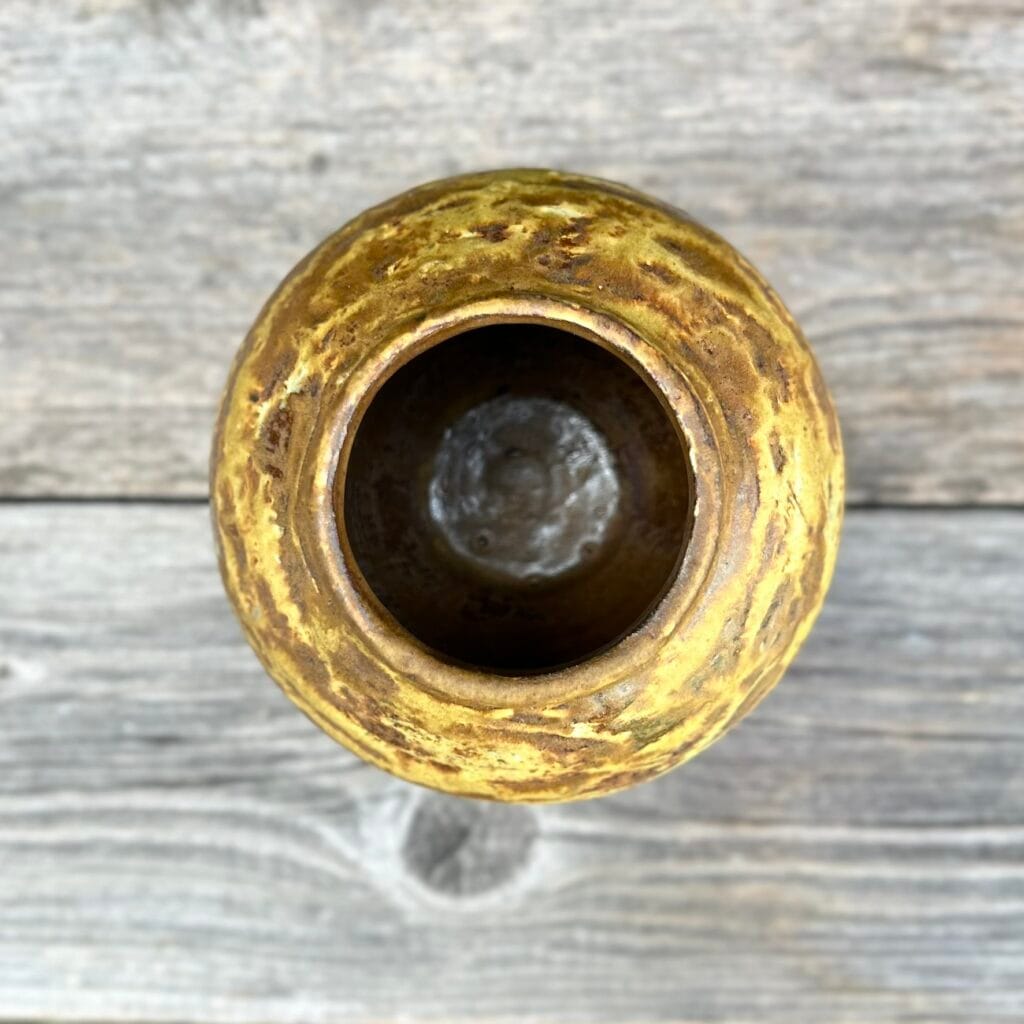
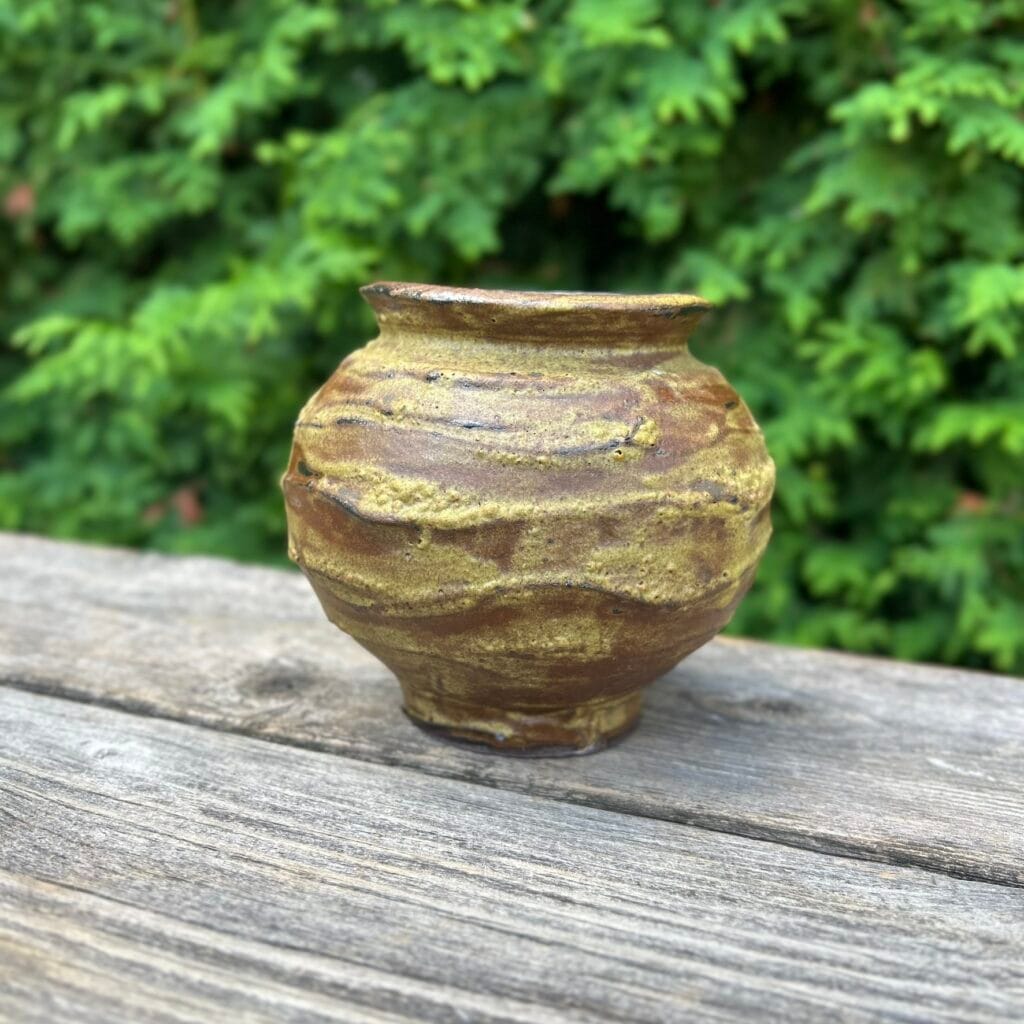
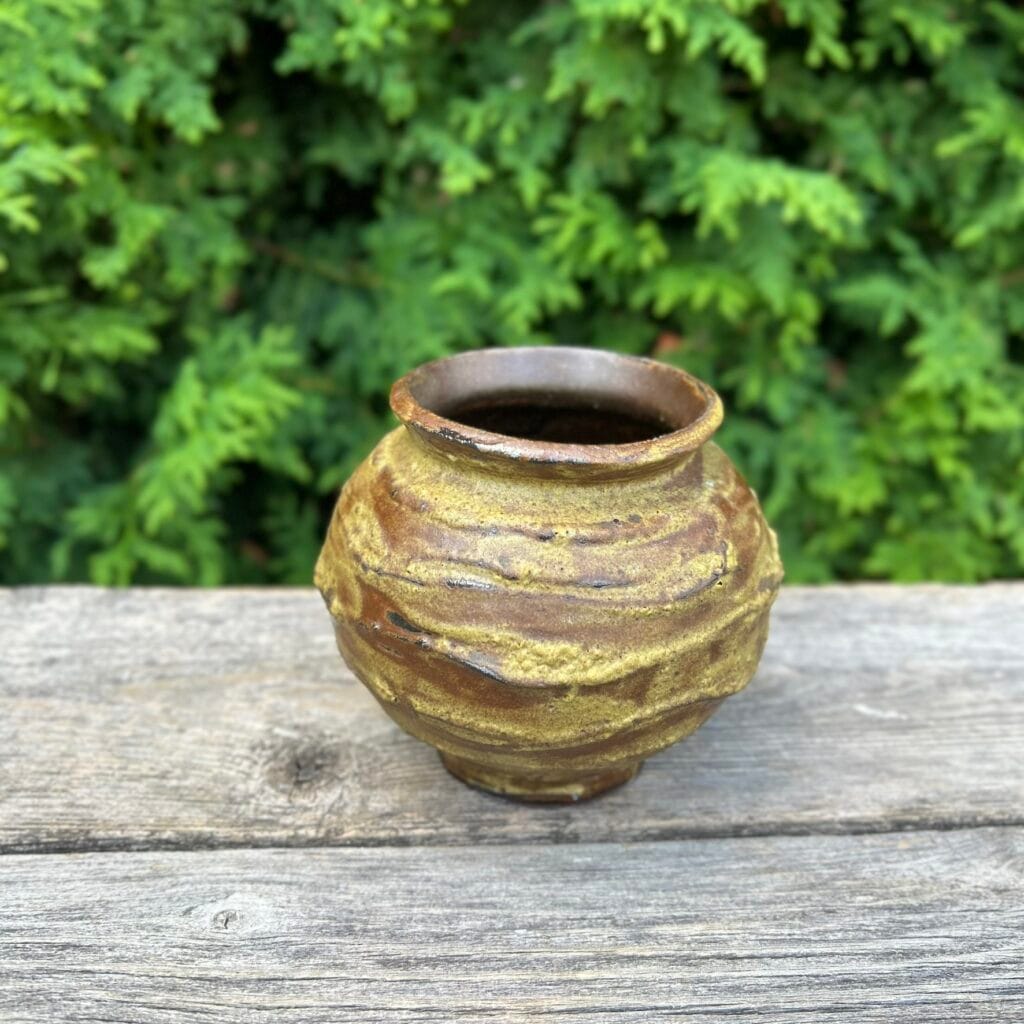
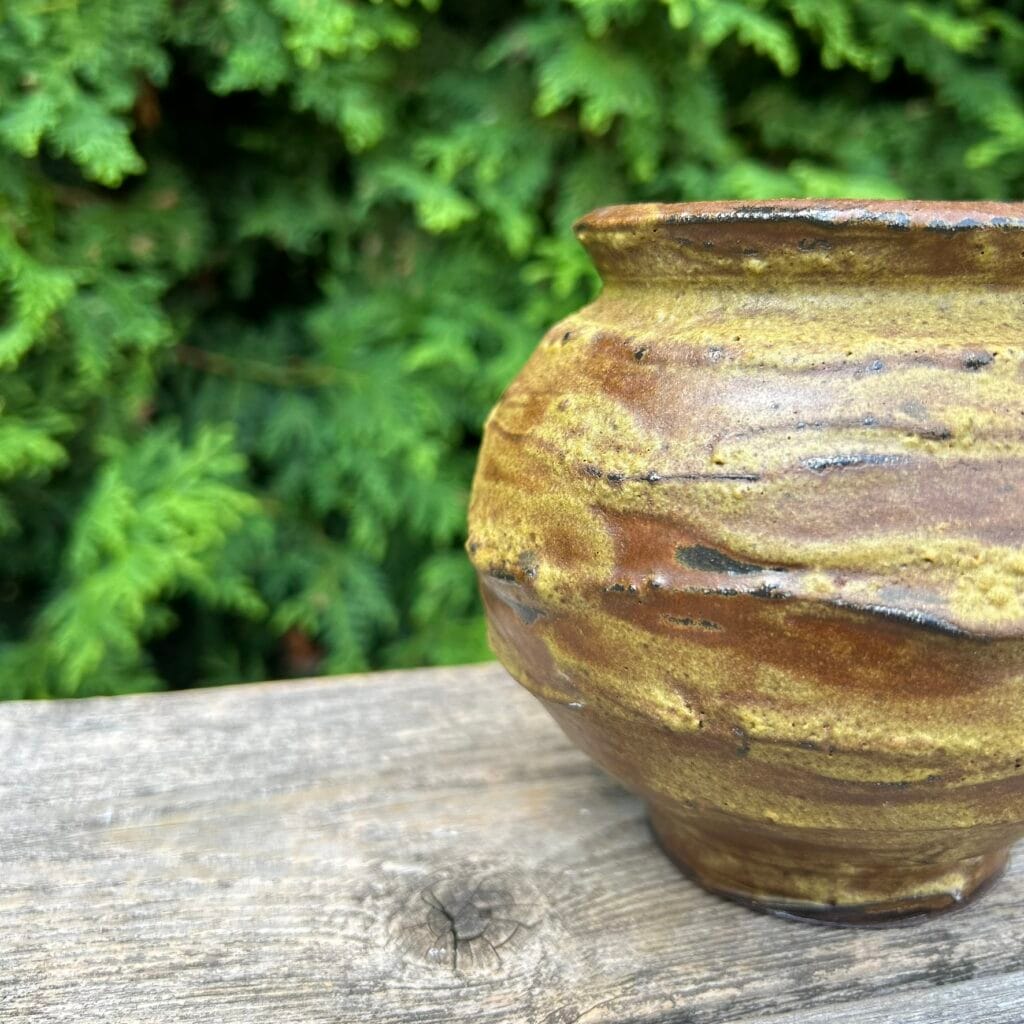
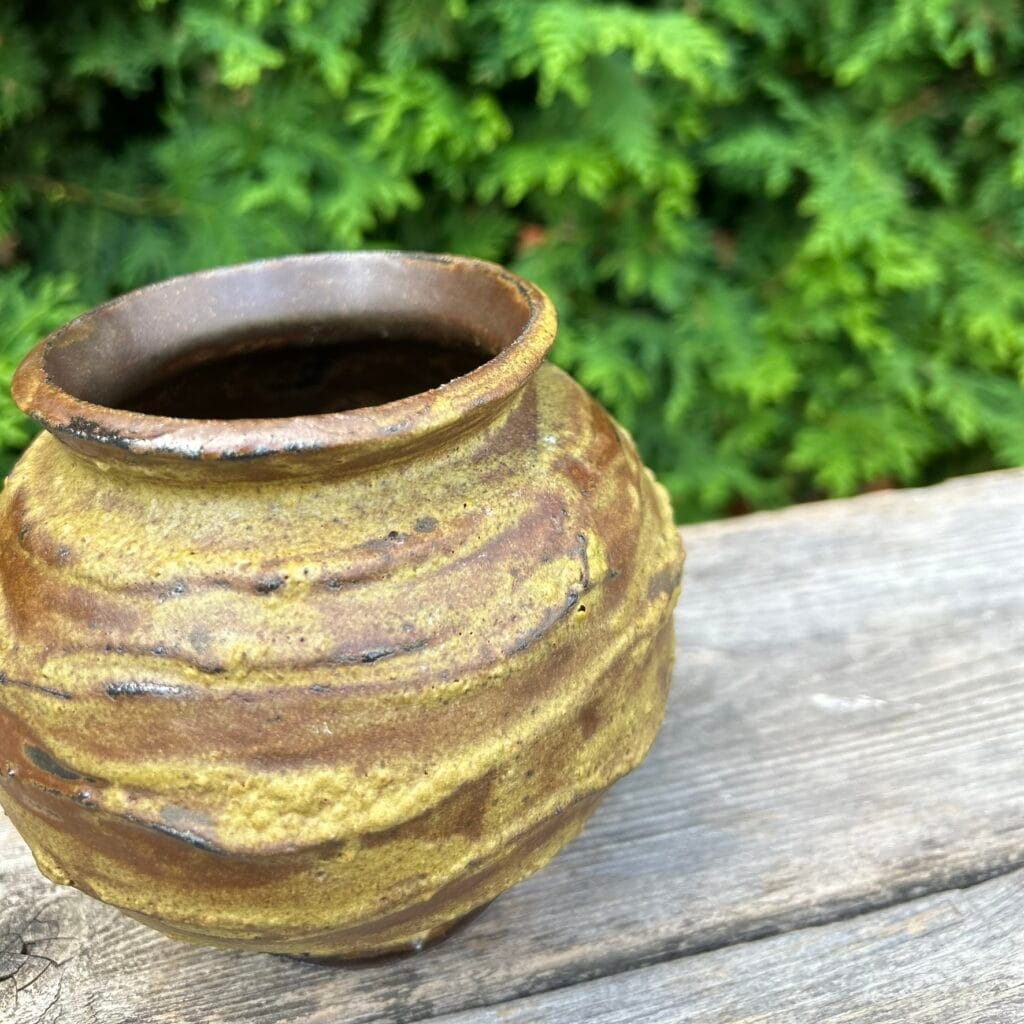
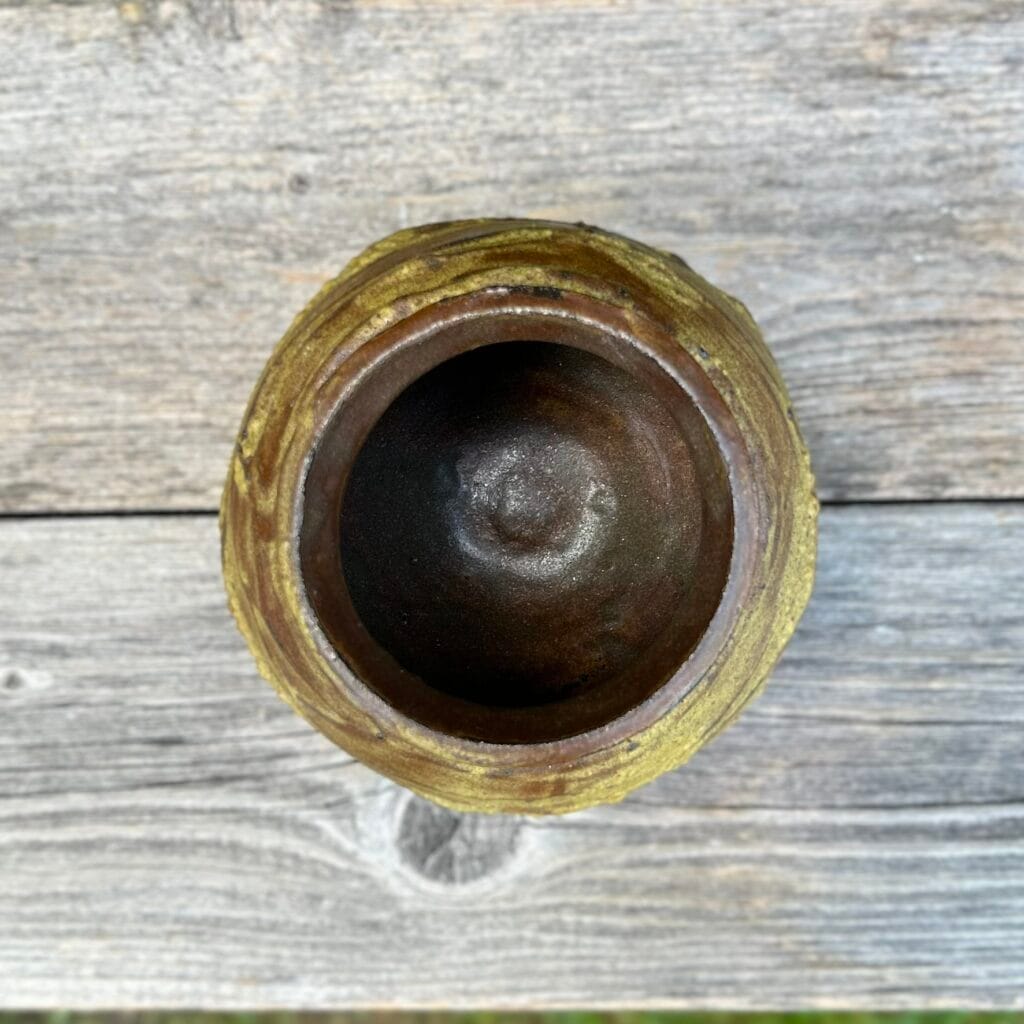
The true test of any glaze ultimately lies in its application on finished pieces. For each rock in this project, I selected two of my favorite glazes and applied them to moon jars in order to present them in a functional and aesthetic context. Below are the two jars created using glazes derived from this chlorite quartzite
Moon Jar [É23F – 1]
Moon Jar [É23F – 2]
As always, thank you for your interest in my art ! I hope this publication can be useful and inspiring 🙂
Leave a Reply