
Note : This publication serves as an extension of my exhibition titled Ceramic Rock Glazes : Developing a Geological Language of Alternative Ceramic Materials. My goal with these is to agglomerate all publications I have previously made into a single document to both facilitate the access to the information as well as to provide more in-depth details on the subject.
Biotite Granite
As with all previously published articles in this rock glaze series, this text follows a consistent structure: an overview of the rock’s mineralogical components; images documenting the crushed rock at different stages of firing; photographs of glazes made with the rock as the primary ingredient; and, finally, the presentation of two moon jars that highlight two of the resulting glazes.
From Rock to Dust
As with most of the rocks in this series, I found it in a ditch near by my house. It has this nice spotted surface and turn a pale grey once crushed. To crush it, I used some of the tools listed in a previous blog post : Tools for processing rocks into fine powder for ceramic glazes : an introduction.


Mineral Composition and Considerations for Glaze Development
Note: Unfortunately, I was unable to carry out XRF analysis for this project, due both to the costs associated with the large number of samples and the limited access to appropriate laboratory facilities in the region. As a result, the identification process relied on a relatively rapid and simplified methodology, including visual observation, comparison with similar rock types, hardness testing, and melt tests. This work was conducted with the assistance of a friend whose observational skills proved invaluable, and to whom I am sincerely grateful. In the absence of XRF data, all conclusions regarding mineral composition must be considered provisional. Even now, I cannot assert with full certainty that every interpretation presented below is entirely accurate; however, these findings offer a solid foundation for understanding the material and guiding further investigation.
This quartz sample is slightly different from a previous quartz rock I have used before. It is mainly composed of :
- Feldspare (Potassium, Sodium)
- Quartz (Silica)
- Biotite (Mica)
Based on the preliminary identification of minerals and seeing granite used elsewhere, I anticipated that the rock would melt relatively evenly on its own. My only concern was with regard of the mesh size, as silica difficultly enters the melt matrix at a bigger mesh size.
Firing Temperature and its Effects
Before using the rock in any glaze formulations, I carried out a series of melt tests to examine its behavior at cone 6. This initial phase had two main objectives: to develop a general understanding of how the material responds to high temperatures, including its melting behavior and potential color range, and to verify that it was safe to fire in the kiln (for example, that it did not splatter or melt excessively). I strongly recommend this step when working with found or unfamiliar materials. For those undertaking similar tests, using small bowls or containers with raised sides rather than flat tiles is advisable, as this can help protect kiln shelves if the material becomes unexpectedly fluid.
In addition, I mixed crushed rock directly into one of my clay bodies, using 5% of the clay’s weight. This allowed me to see how the material behaves within the clay.
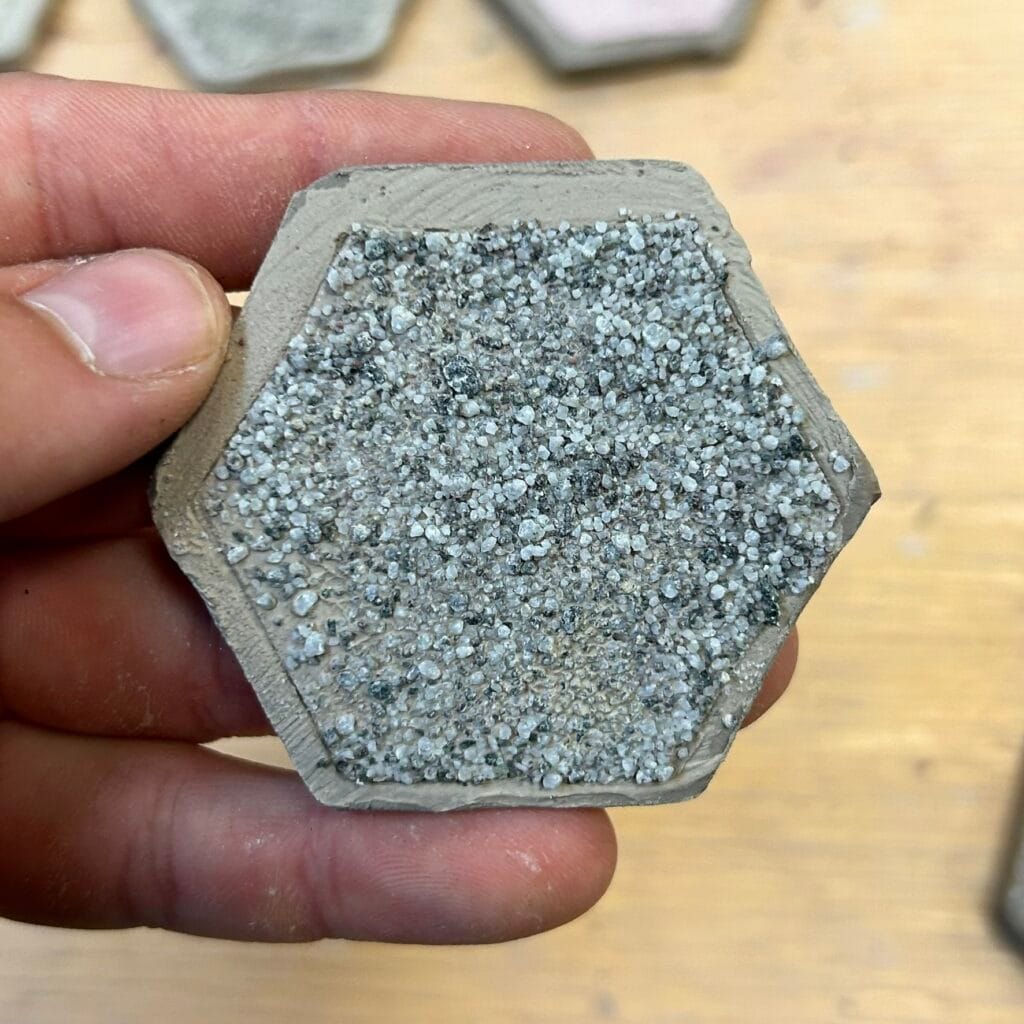
The first series of photos below shows the rock used in its grog form (i.e., relatively coarse particles), progressing from raw to bisque-fired (cone 04), and finally glaze-fired (cone 6). I love the changes in colour after each firing, regaining considerably some of its colour after the final one. As you can see, the rock did not go according to my prediction and remained unmelted after the last firing.


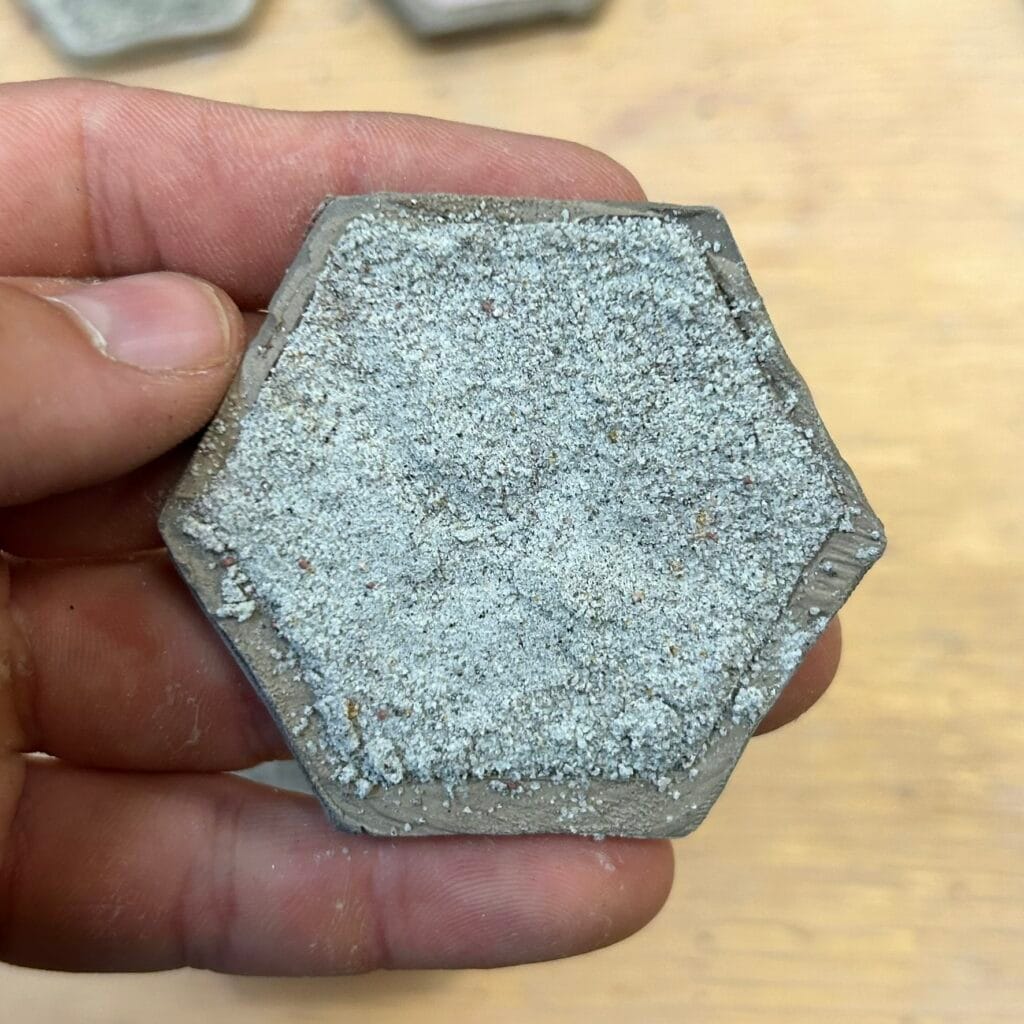
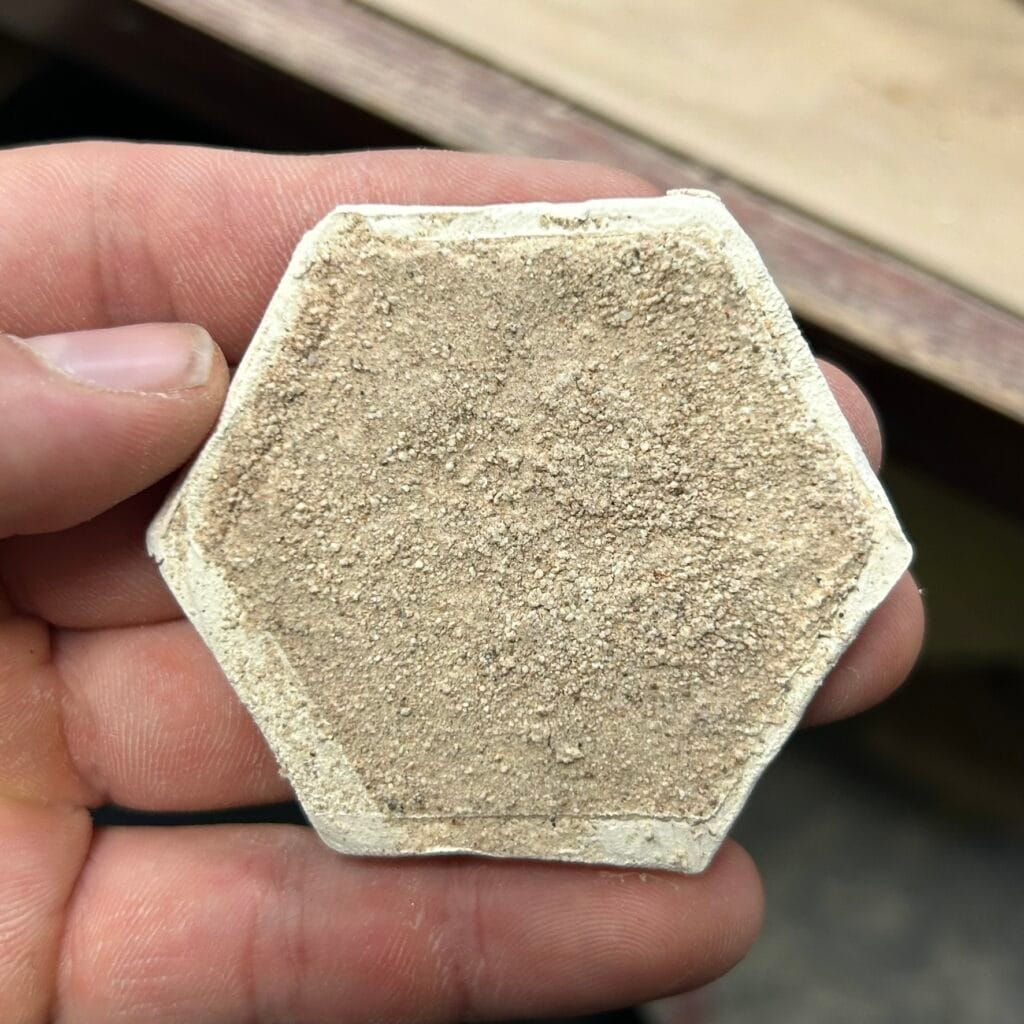
The second set of photographs shows the rock in its powdered form (40 mesh and finer), following the same sequence: raw, bisque-fired (cone 04), and glaze-fired (cone 6).

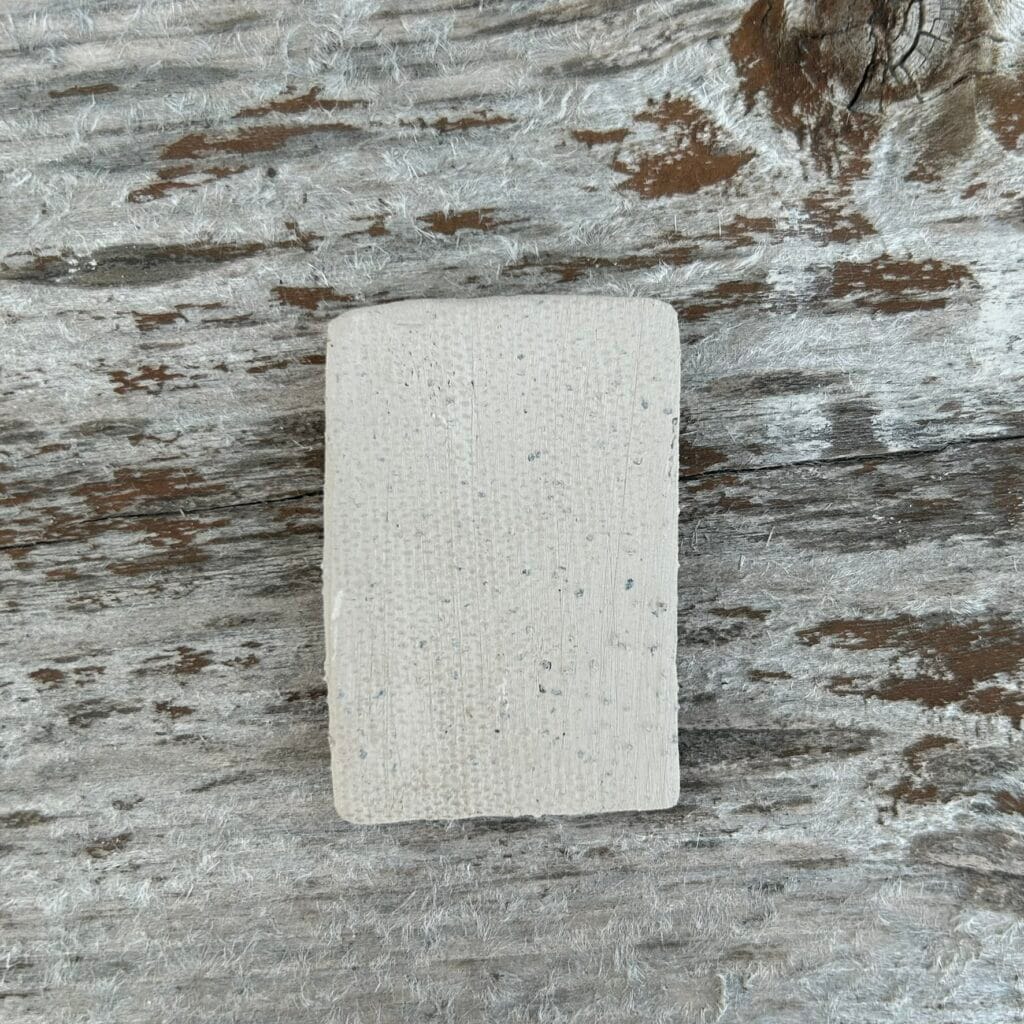
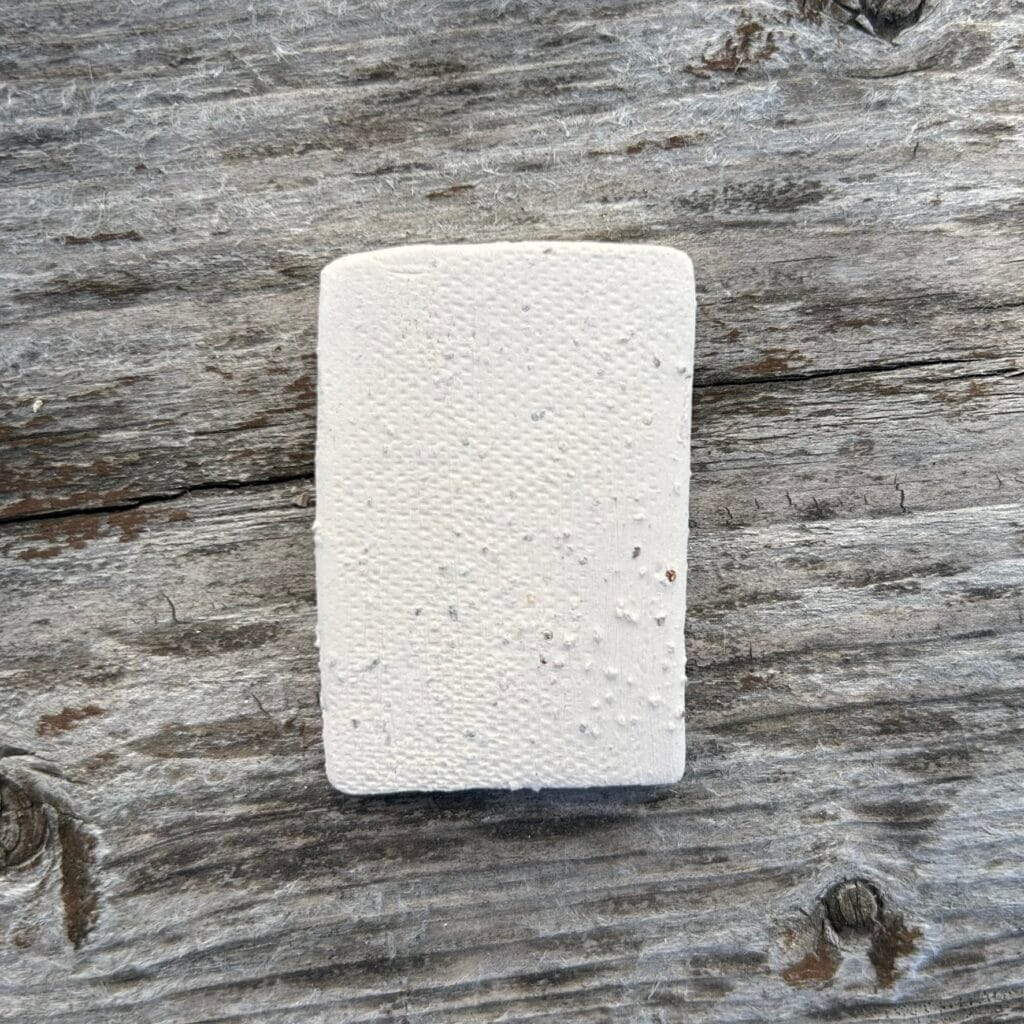
At last, as mentioned earlier, I also added some of the grog into one of my clay bodies. The images bellow follows the same firing order from those above. The grog, barely visible at first, remains that way throughout the firing process.

Glaze Recipes
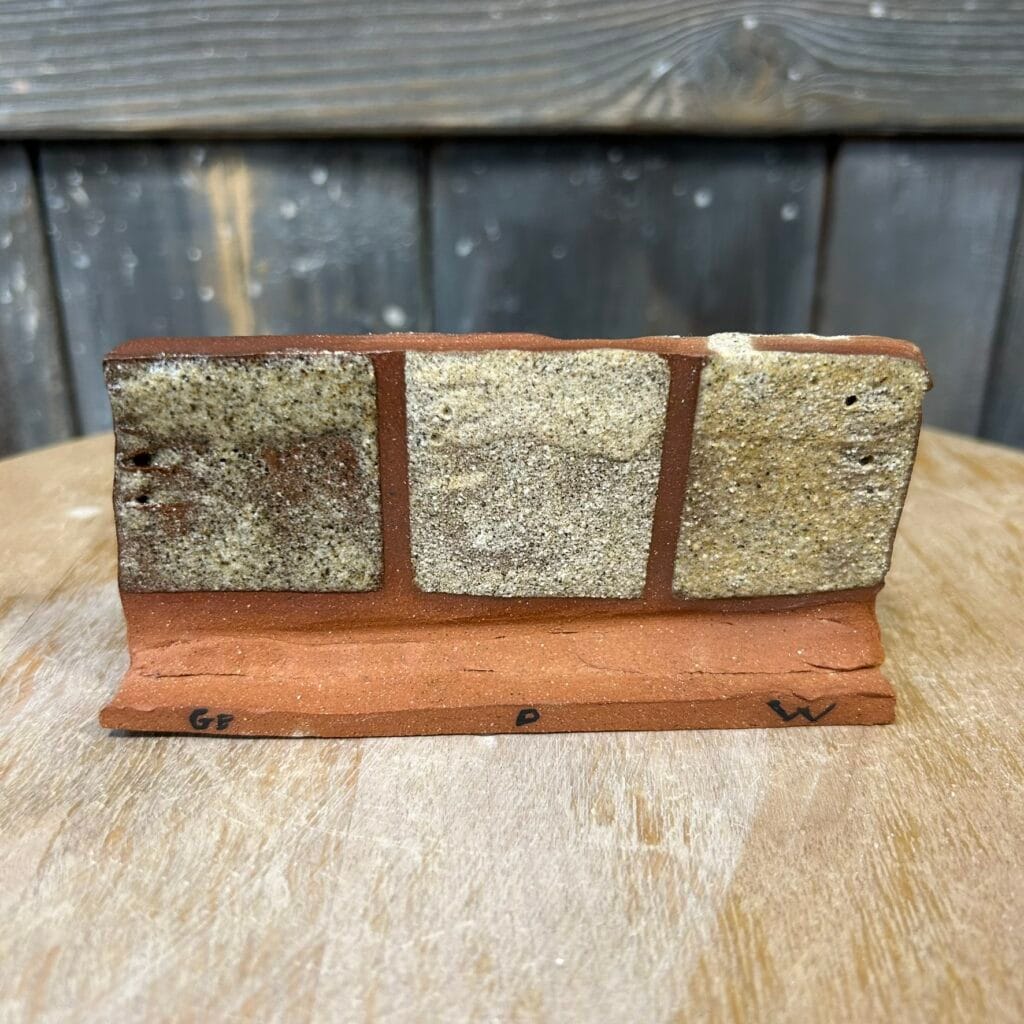
Because I was working with a large number of rock samples, I decided not to use conventional testing approaches such as line blends or triaxial blends. Instead, I established a single base formula for all glaze experiments, consisting of 85 percent crushed rock, 10 percent flux, and 5 percent clay. The clay component alternated between EP Kaolin (EPK) and Redart (R), while the fluxes tested included Gerstley Borate (GB), Dolomite (D), Whiting or Calcium Carbonate (W), Zinc Oxide (Z), Nepheline Syenite (NS), and Soda Ash (SA). Although varying the proportions might have generated a wider range of glaze surfaces, maintaining a constant recipe made it easier to assess the specific influence of each flux and clay on the final outcomes.
All glazes were tested on different clay bodies (PSH 519, Tucker’s Mid Cal 5, PSH 540i). In the following section, I’ve included a curated selection of test tiles rather than the complete set.
Quartz Glazes : An Overview
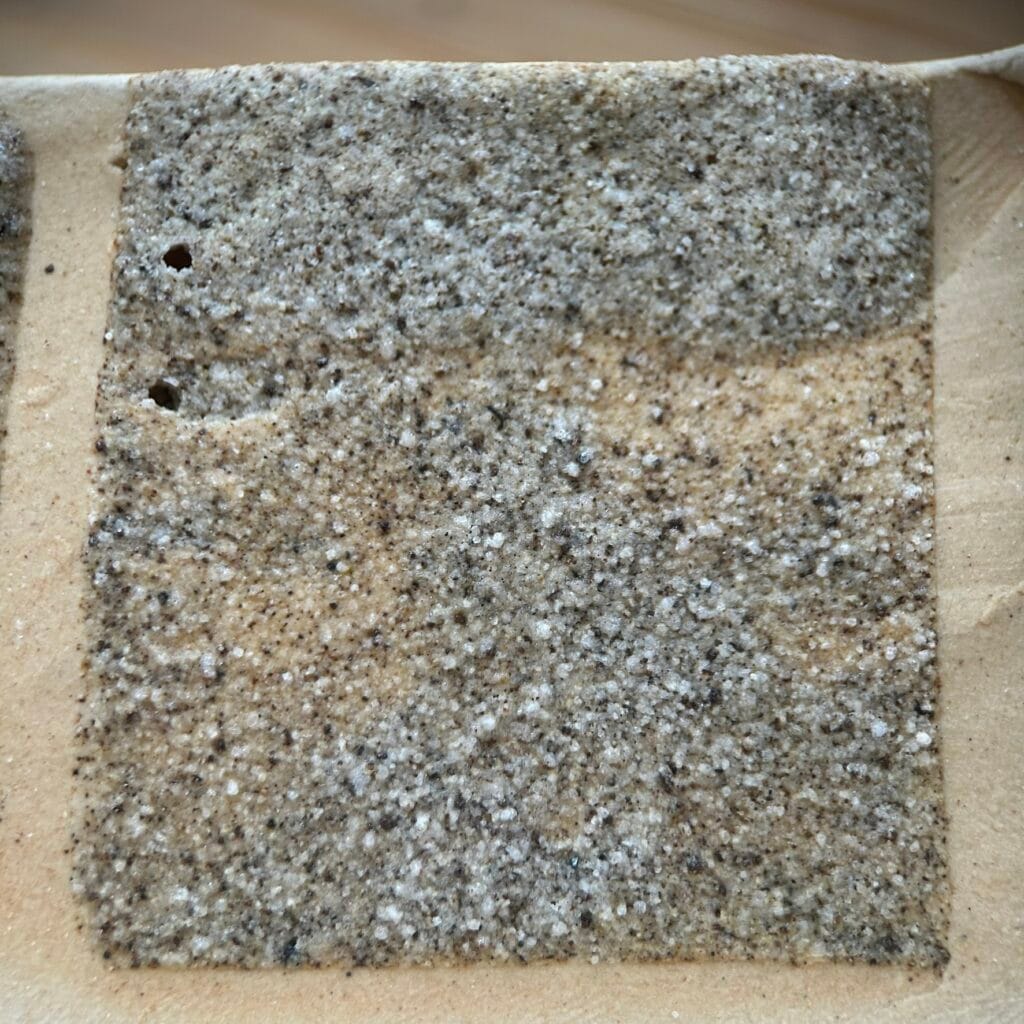
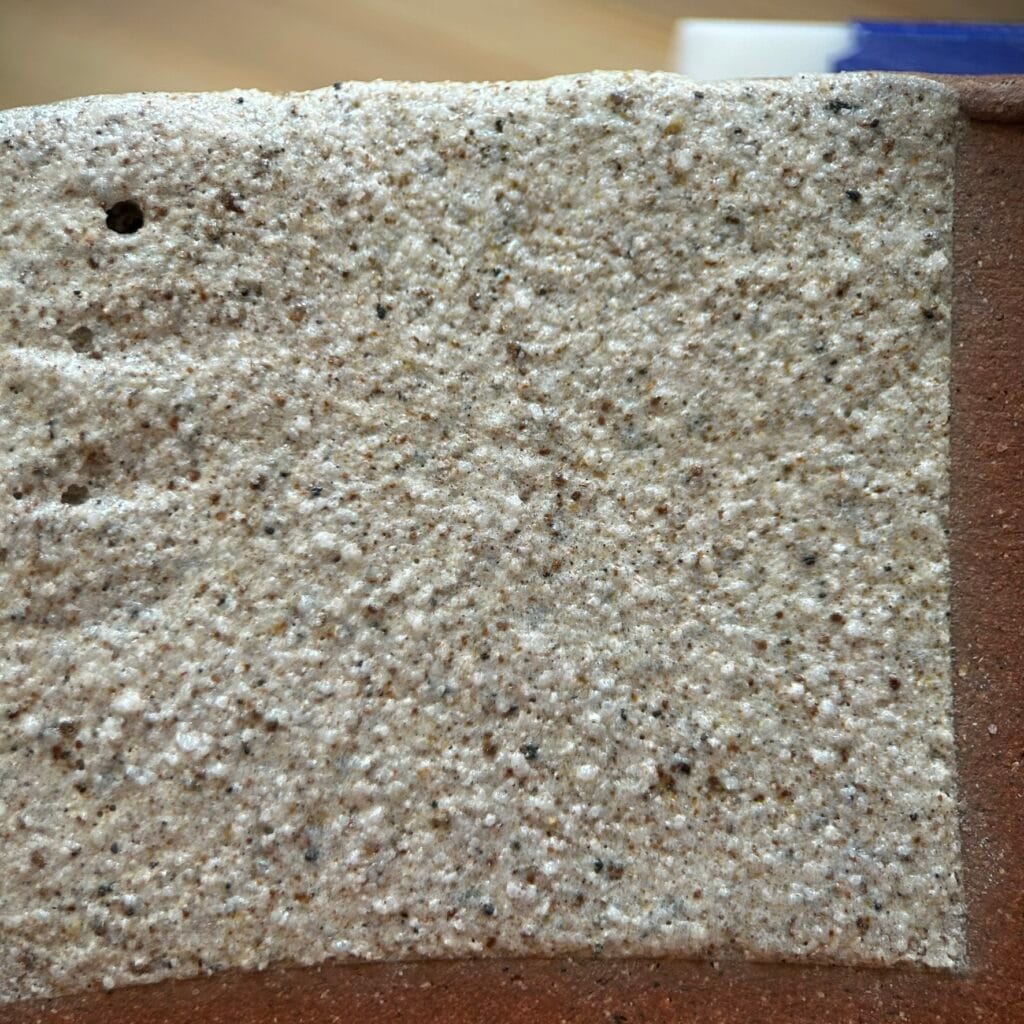
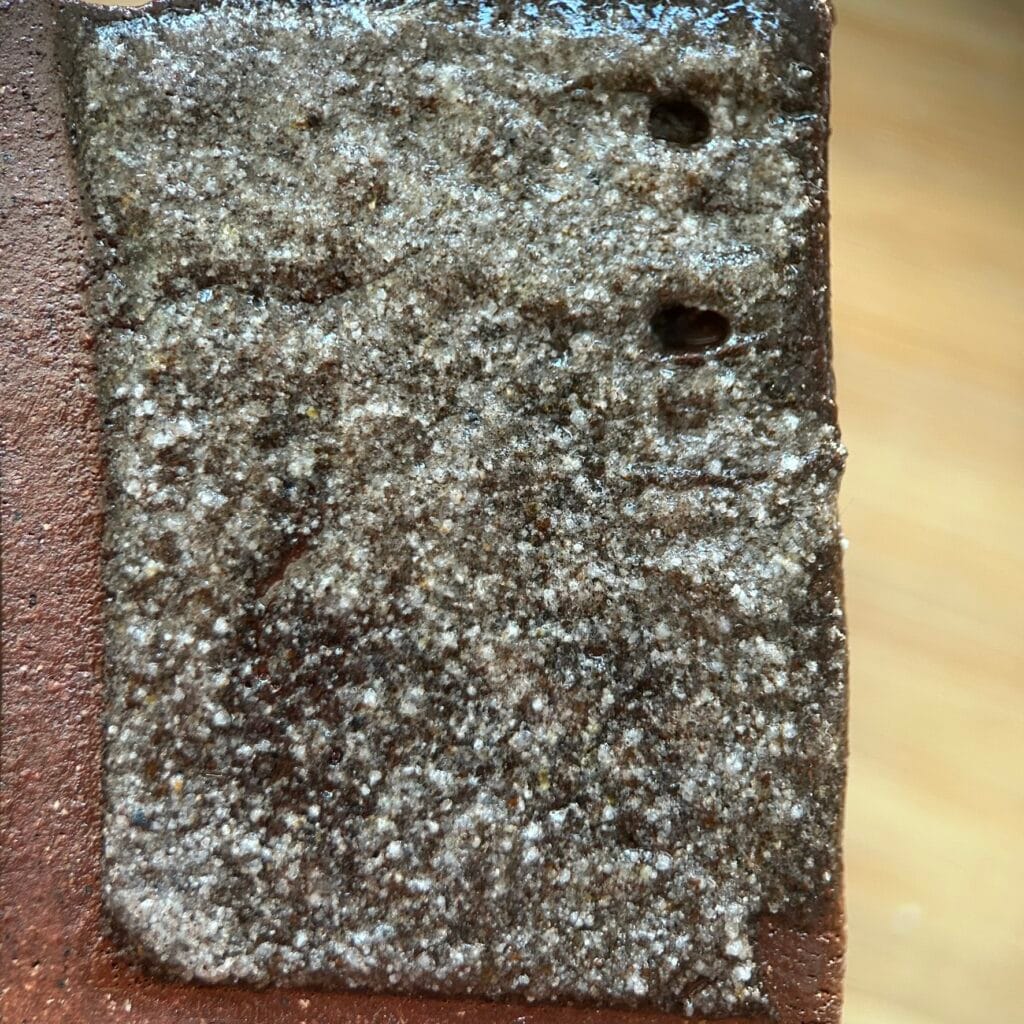
The glazes produced with this quartz sample as the primary ingredient yielded a relatively limited color range. When EPK was used, only slight shifts in coloration were observed. As is typical in this project when Redart is introduced, the glazes tend to move subtly toward warmer tones. I absolutely loved the look with the recipe using Gerstley Borate. Colours and mostly sand-like ; the texture varies between rough to the touch and smooth, glass-like.
Glazes using EPK on Tucker’s Mid Cal 5

Glazes using Redart on Tucker’s Mid Cal 5


You will find below a short series of videos (recorded in early 2024 and about one minute each) sharing my on-the-spot thoughts about all of them, including the raw melt test.
Quartz Glazes : A Closer Look
Below are close-up shots of some of the glazes.




Going Beyond Testing
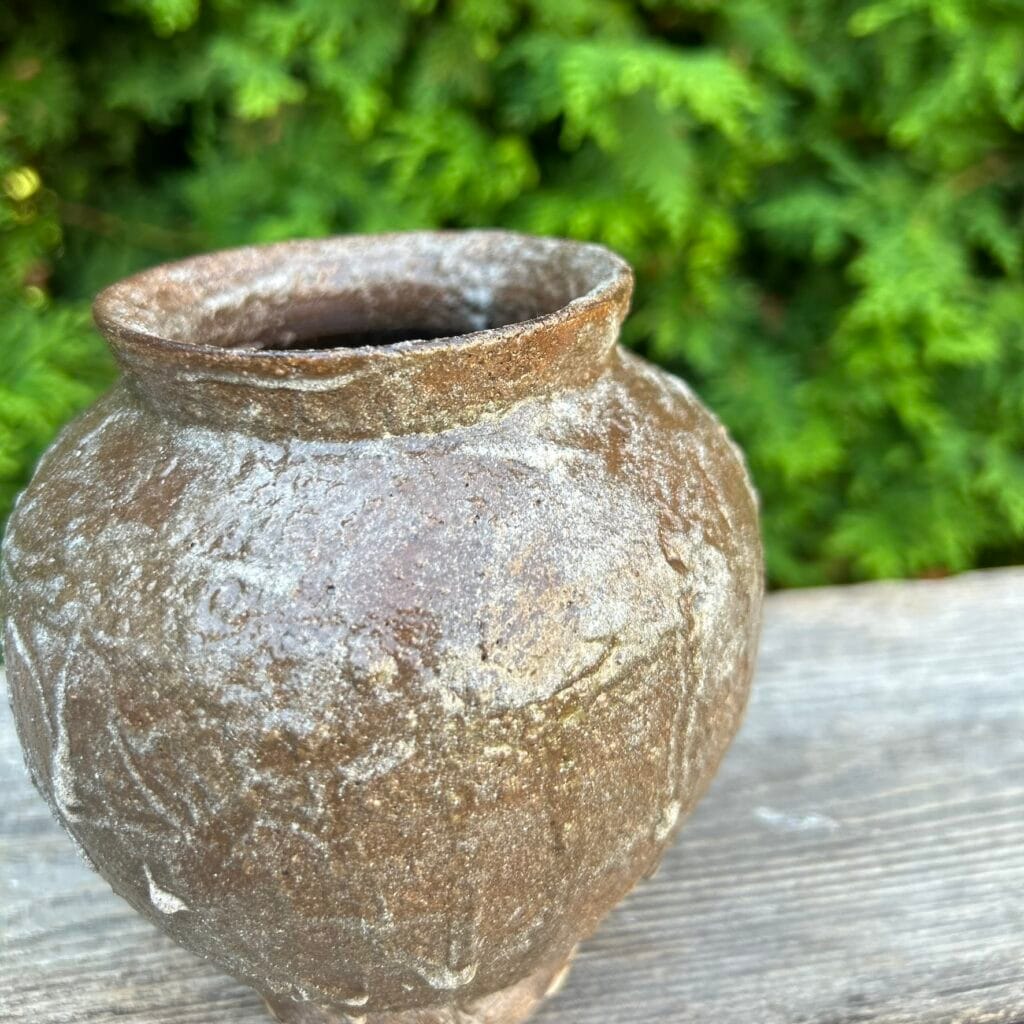
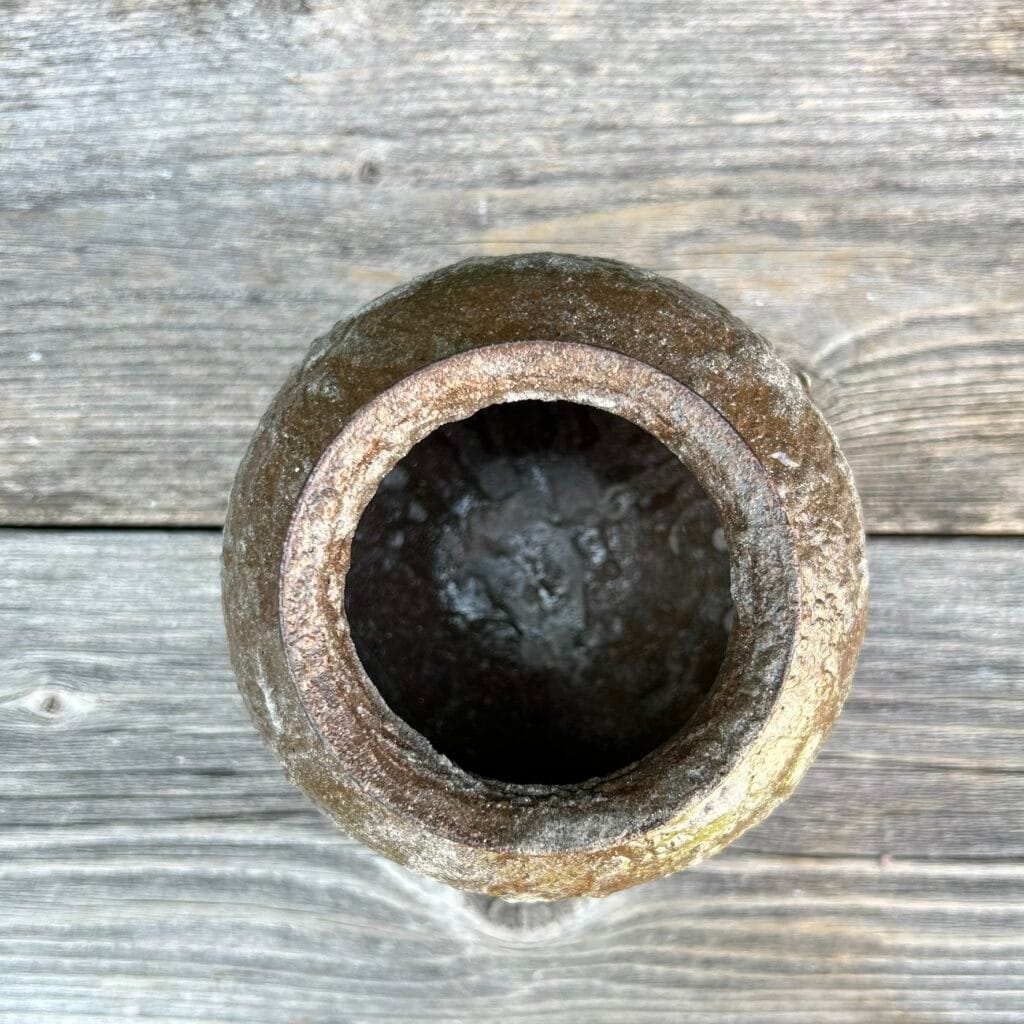
Each rock of the series was accompanied by two moon jars to showcase some of the glazes produced.
Moon Jar [É23N – 1]

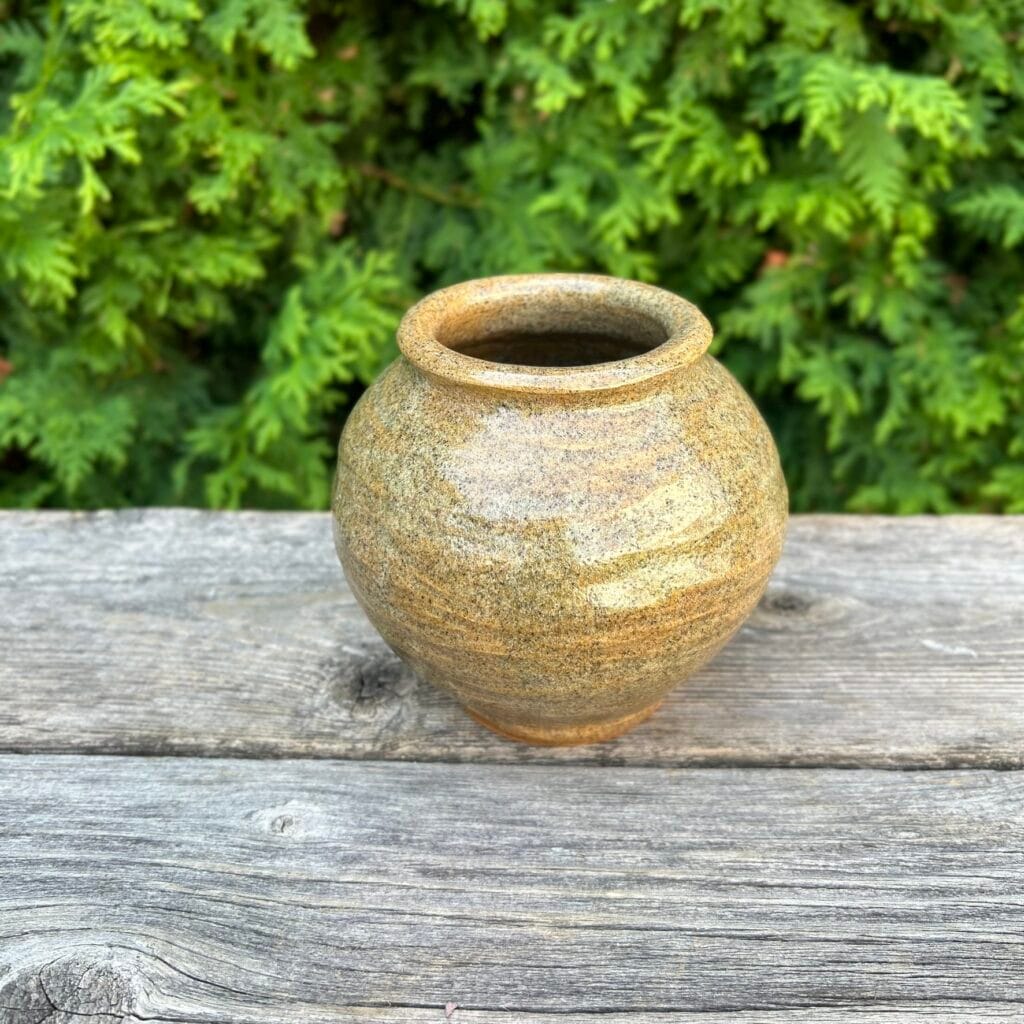
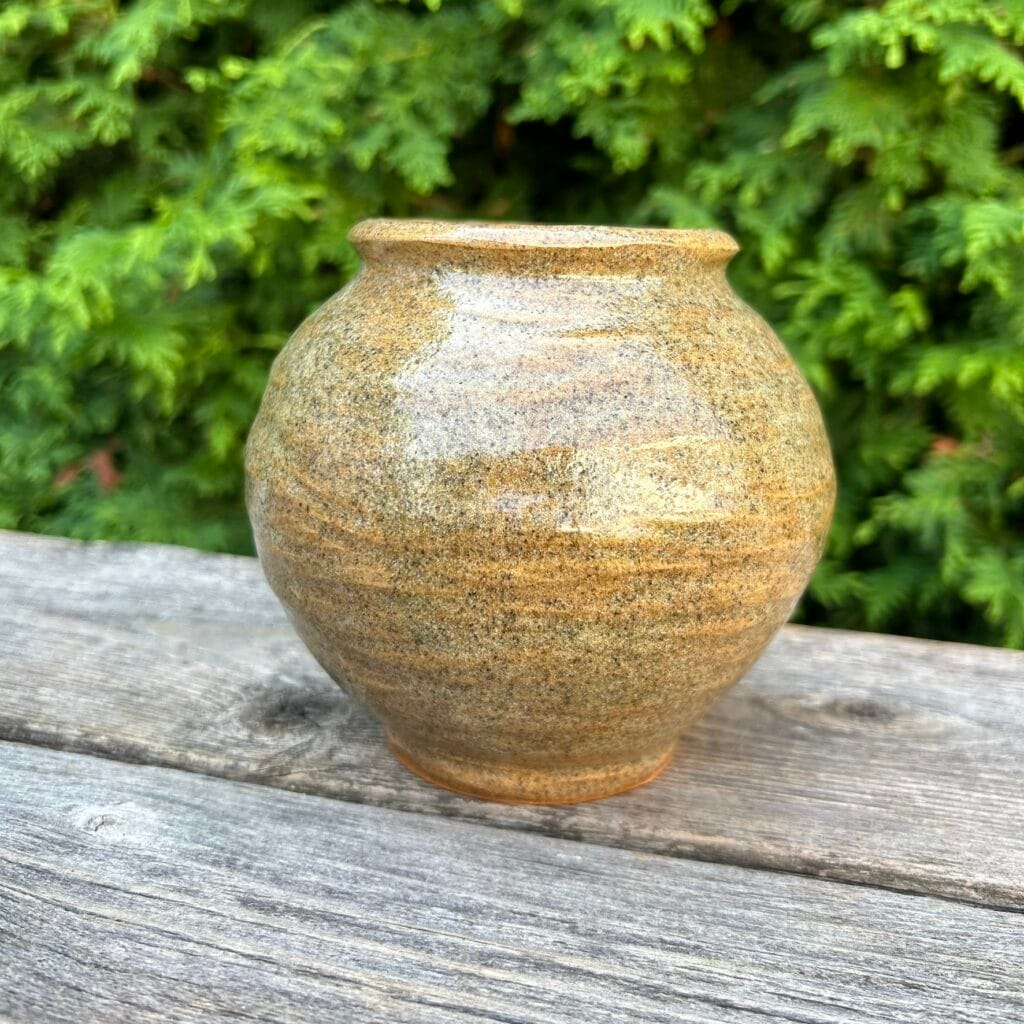

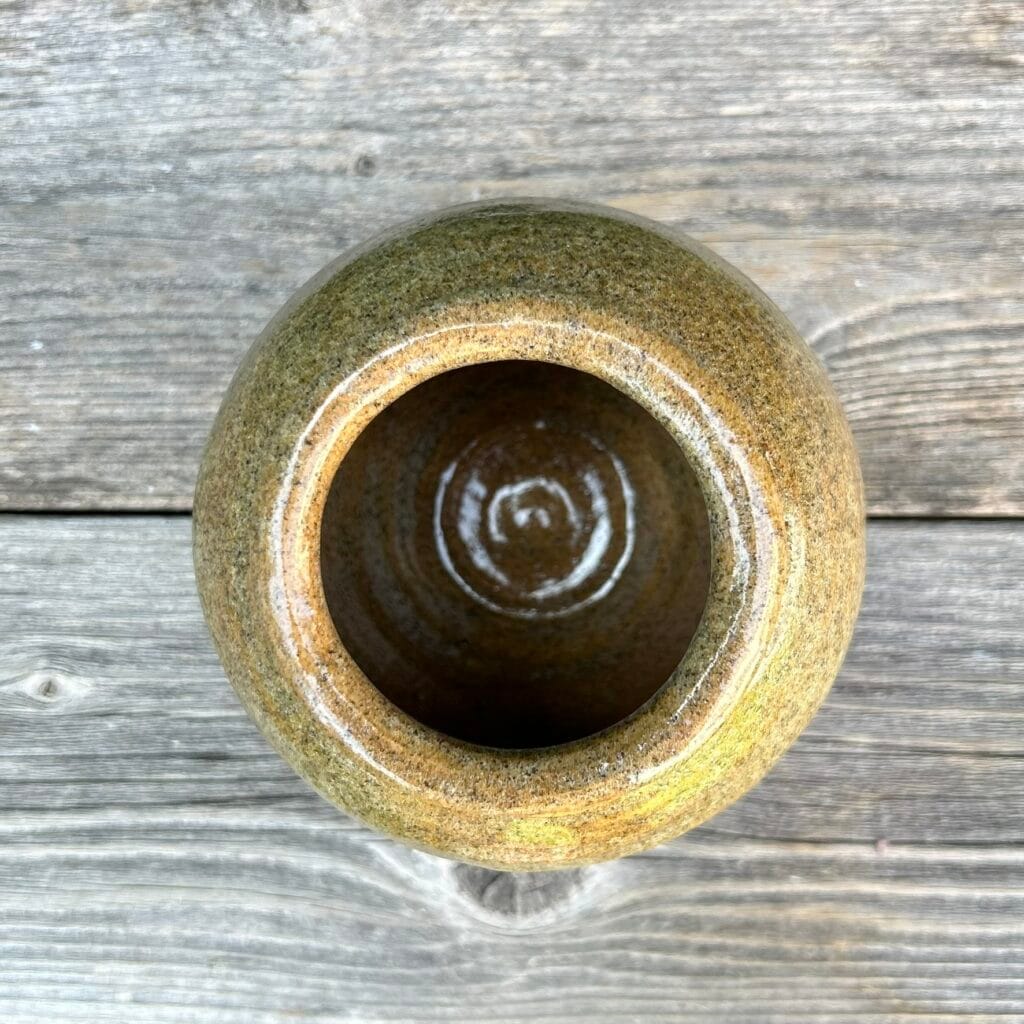
Moon Jar [É23N – 2]


I hope this publication proves both useful and inspiring. As always, thank you for your interest in my work !
Leave a Reply